Temples
Buddhist Tokyo, from Senso-ji’s crowds to neighbourhood halls.
-
Asakusa 浅草
-
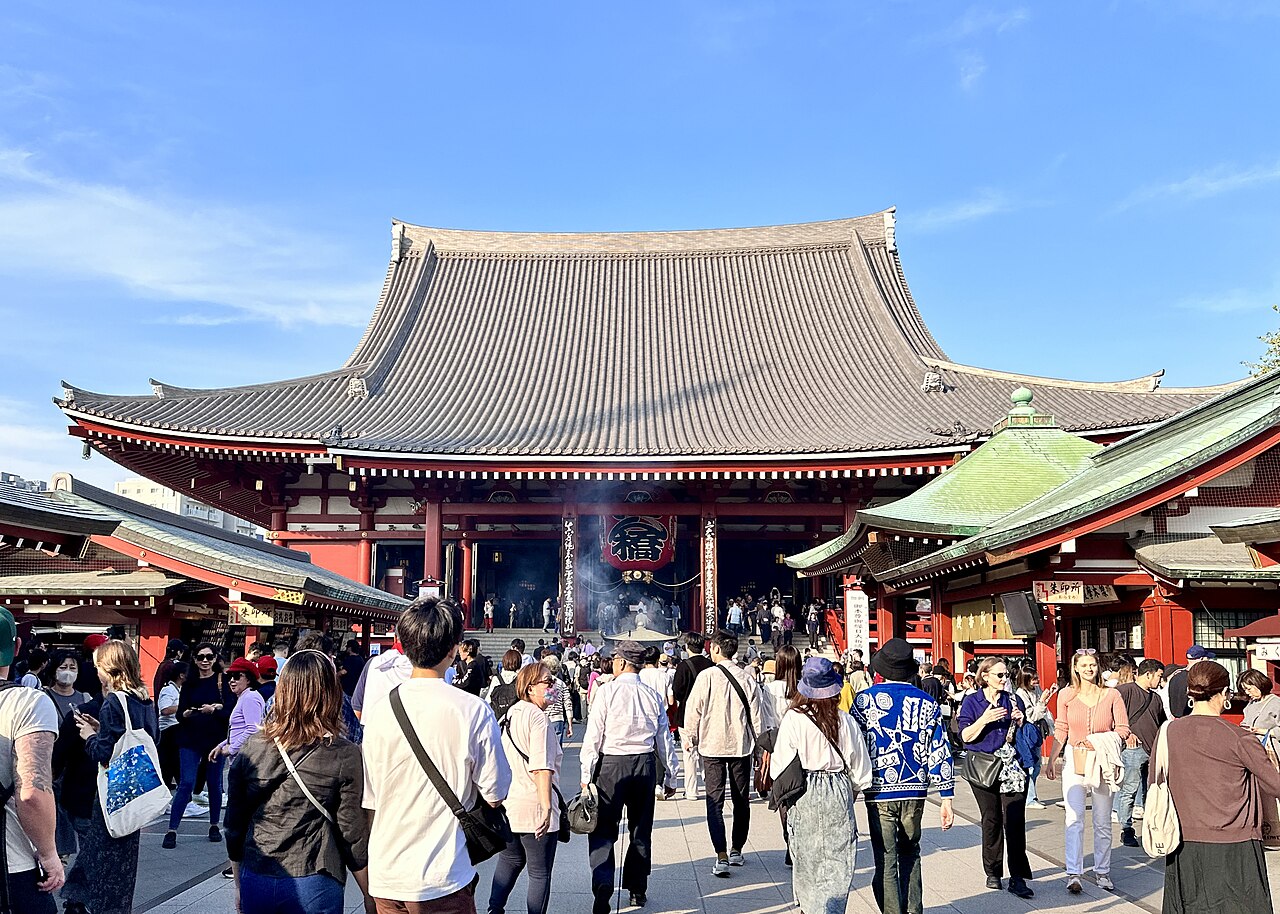
Sensoji浅草寺
Tokyo’s oldest temple, founded 628 — enter under the great Kaminarimon lantern.
View place → -
Nakamise Shopping Street仲見世商店街
Ninety stalls of snacks and souvenirs on the 250m approach to Sensoji, trading since Edo.
View place → -
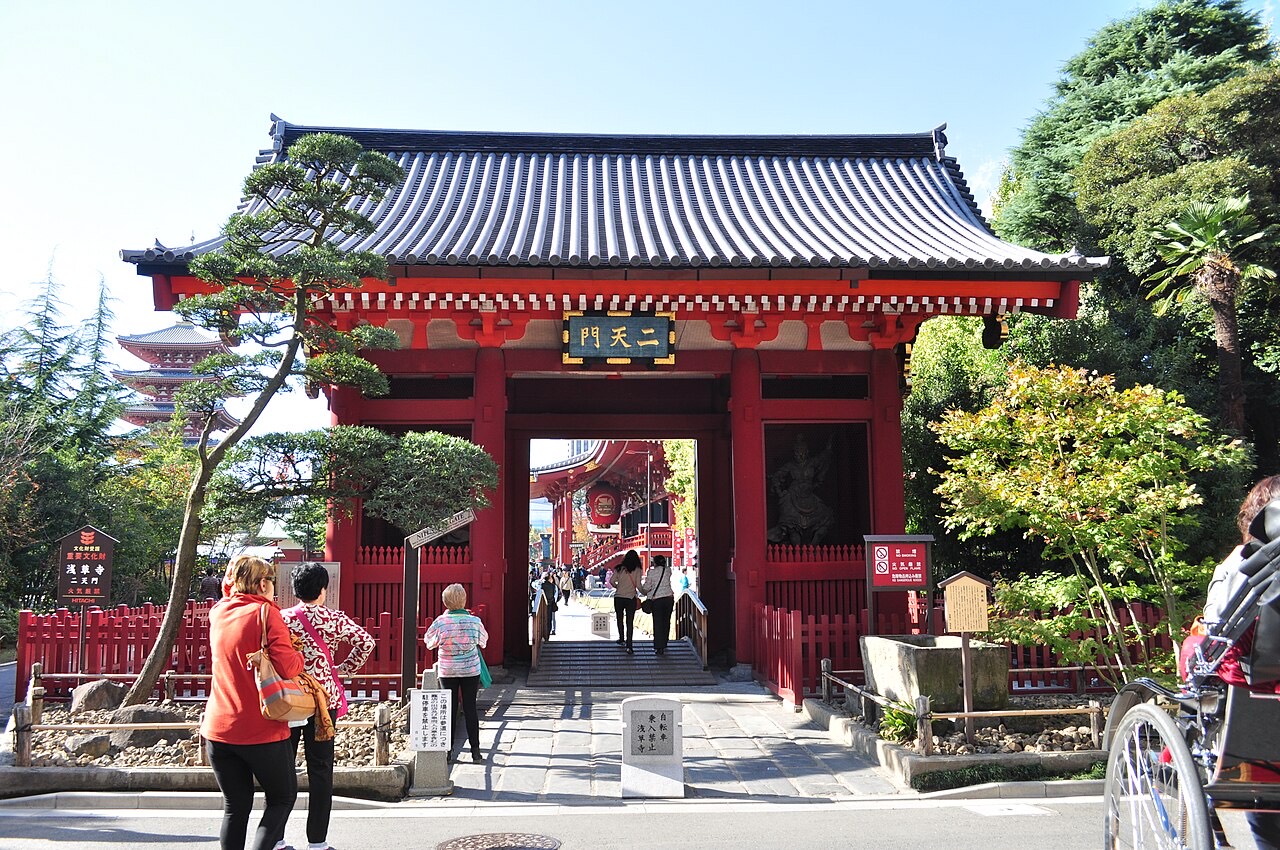
Nitenmon二天門
Kaminarimon and Hozomon are concrete rebuilds; this smaller 17th-century gate east of the main hall is the one that came through 1945.
View place → -
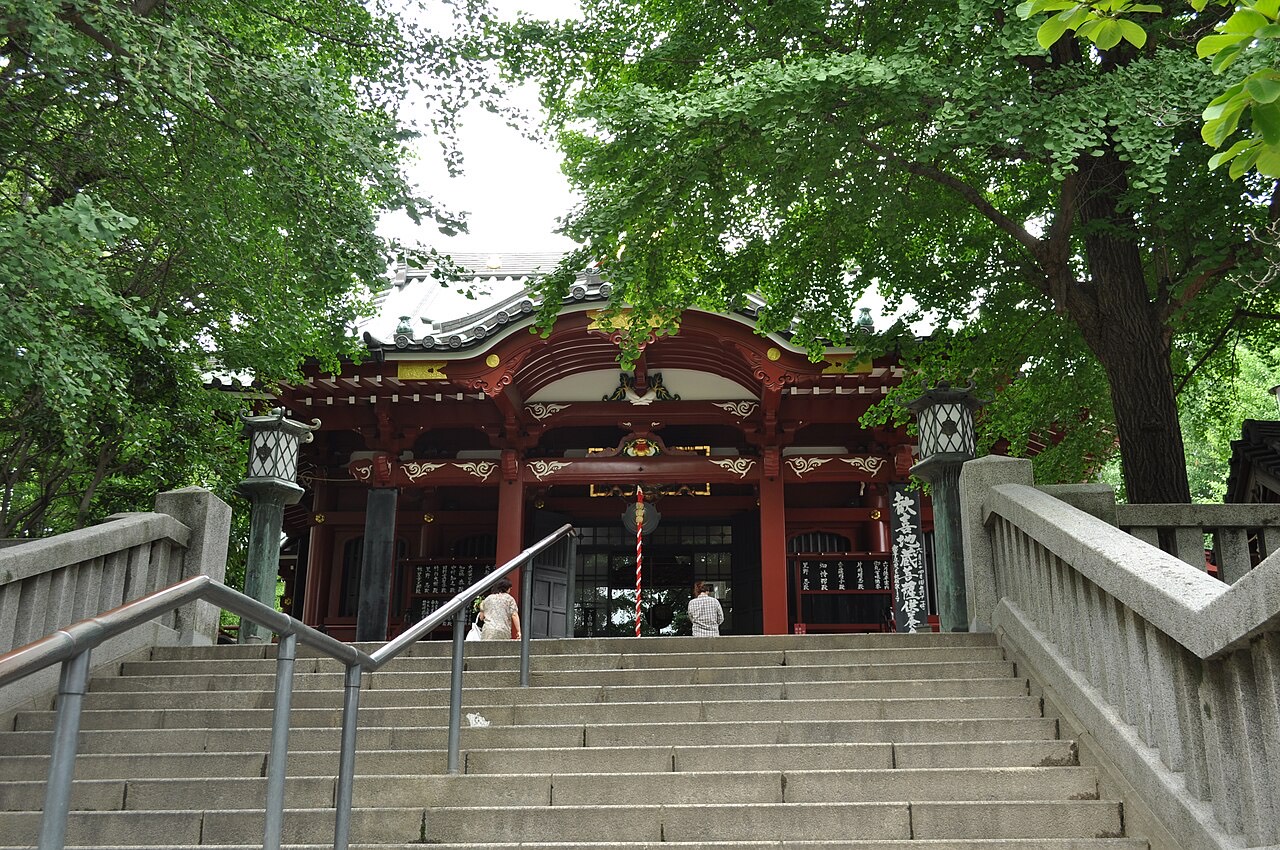
Matsuchiyama Shoden待乳山聖天
A Sensoji sub-temple on the one rise north of the station, its forked-daikon emblem cut into gates and roof tiles. Nothing this near Kaminarimon is this quiet.
View place →
-
-
Kawasaki-Daishi 川崎大師
-
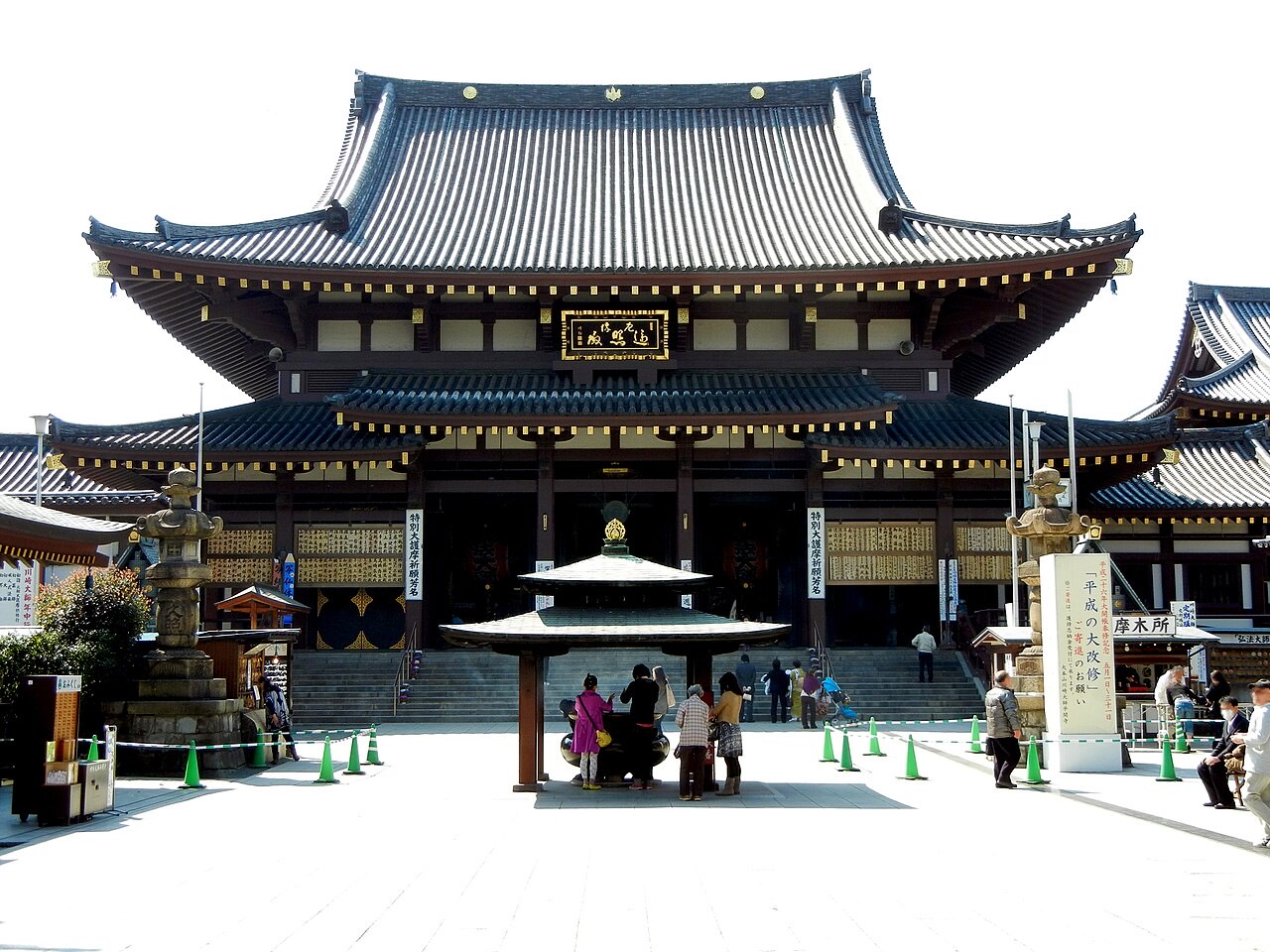
Kawasaki Daishi (Heikenji)川崎大師 平間寺
One of three head temples of the Chisan branch of Shingon Buddhism, founded in 1128 around an image of Kobo Daishi that a fisherman is said to have drawn from the sea. The branch line is its doing: Keikyu's first tracks opened in 1899 to carry pilgrims here. Great gate, main hall, Fudo hall and an octagonal five-storey pagoda share one precinct, and most who come are here for yakuyoke, the rite that turns misfortune aside.
View place → -
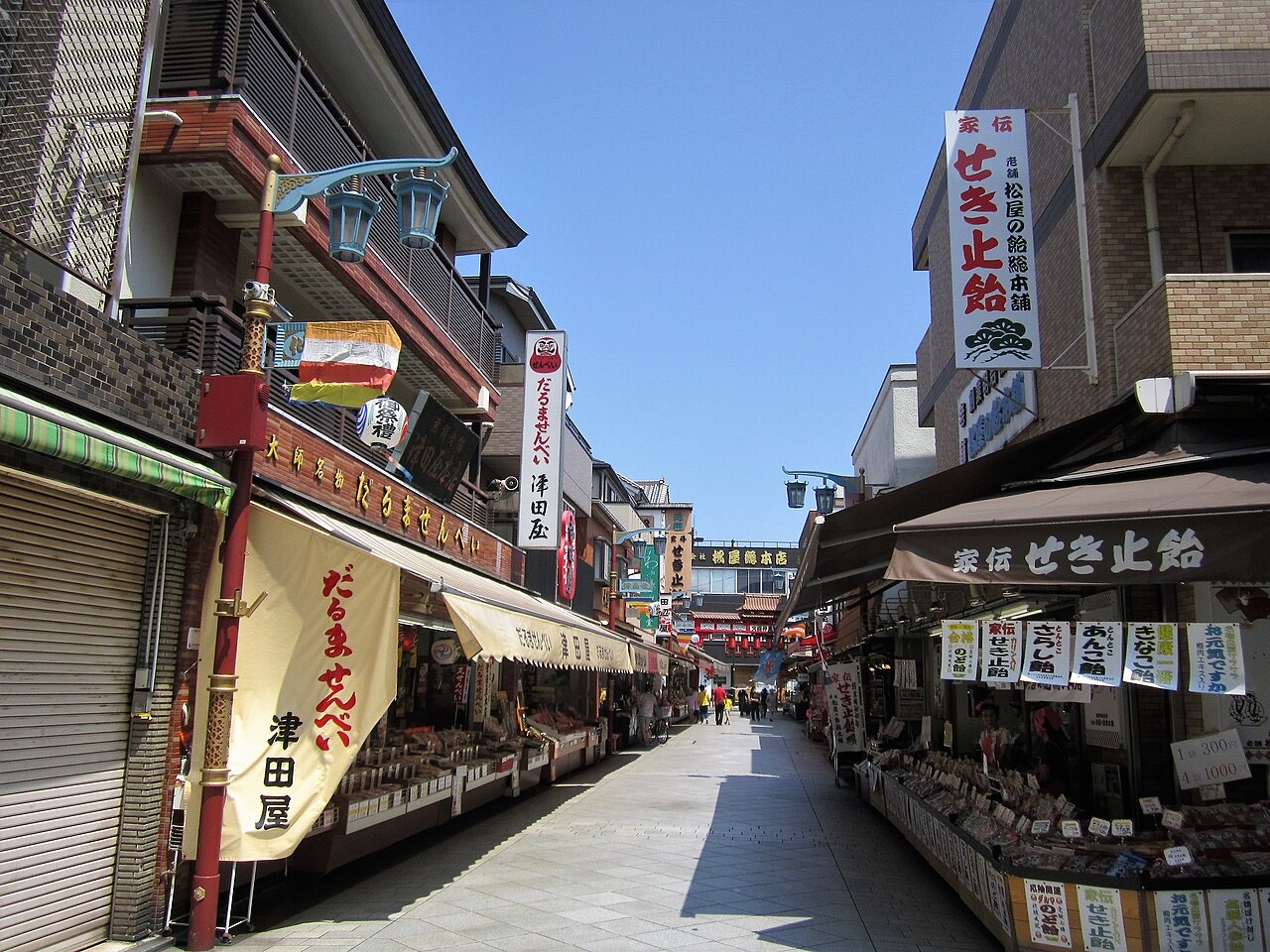
Kawasaki Daishi Omotesando and Nakamise-dori川崎大師 表参道・仲見世通り
Two streets rather than one. The Omotesando starts at the station and runs east; the Nakamise — about two hundred metres — is the last stretch, squared up against the temple's main gate, with daruma sellers, kuzumochi makers and candy shops whose knives keep a steady tapping going as they cut. That tapping, heard through the crowd, put the approach on the Environment Agency's 1996 list of a hundred soundscapes worth keeping. Little here is old fabric: the wartime air raids took the prewar street, the merchants' cooperative rebuilt it, and since 2013 the city has reviewed new building along it against a townscape standard.
View place →
-
-
Monzen-nakacho 門前仲町
-
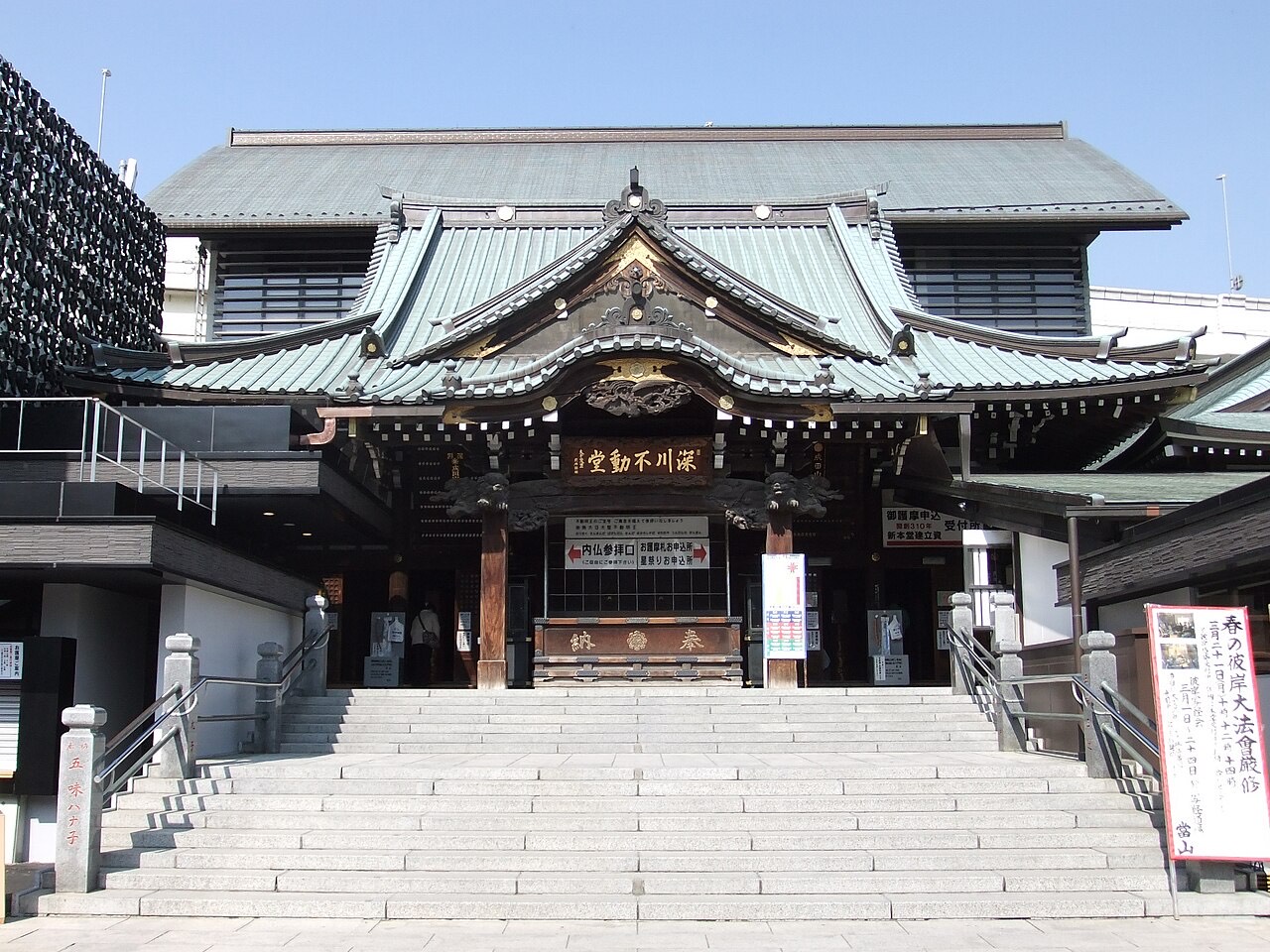
Fukagawa Fudodo深川不動堂
Naritasan’s Tokyo branch, where the goma fire rite is performed daily and the new hall’s outer walls are covered in the Fudo Myoo mantra in Sanskrit letters.
View place → -
Fukagawa Enmado深川ゑんま堂
A temple founded in 1629 whose seated Enma is wired for sound: put an offering under one of nineteen prayers and the statue preaches back.
View place →
-
-
Kawagoe 川越
-
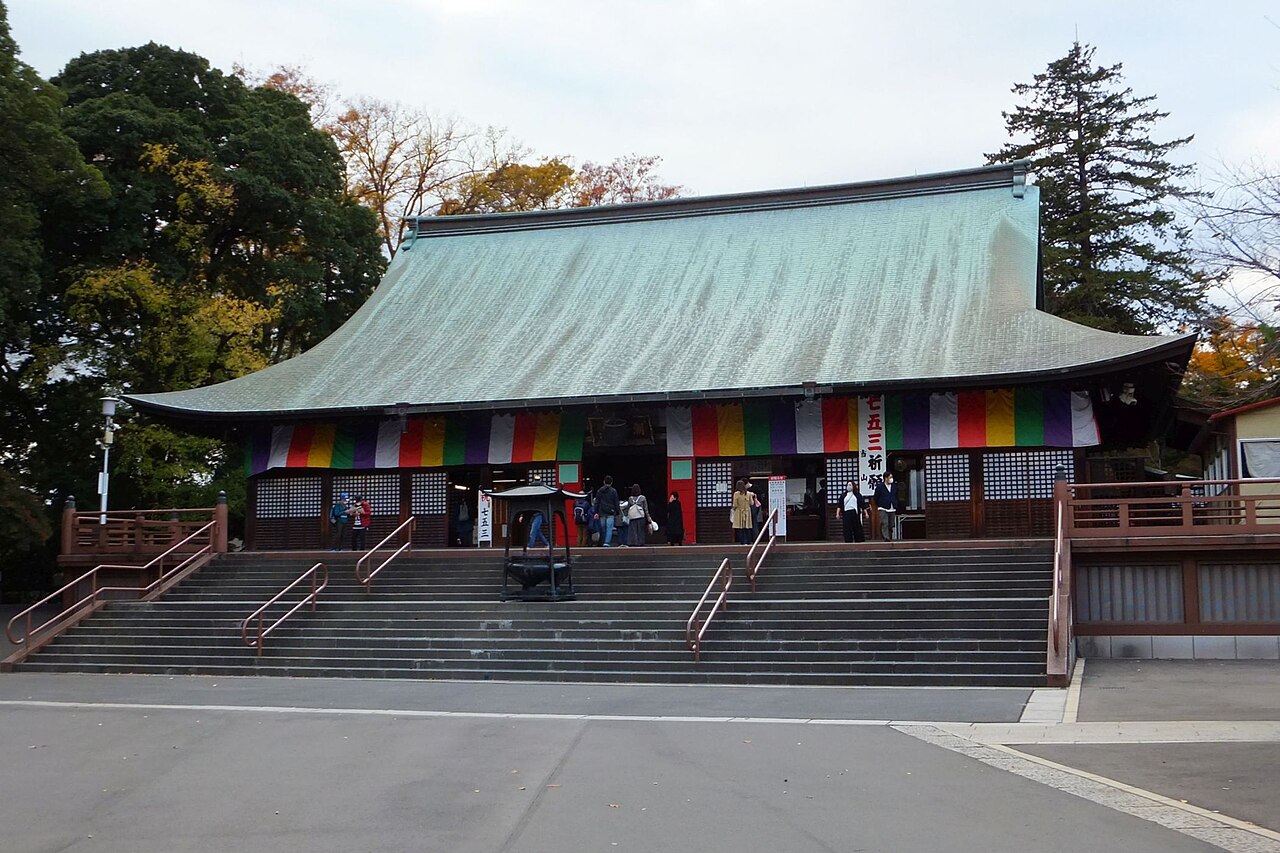
Kitain喜多院
Tendai temple keeping rooms moved from Edo Castle — shogun Iemitsu’s birth room among them — and 538 stone rakan carved over forty-three years.
View place →
-
-
Kita-Kamakura 北鎌倉
-
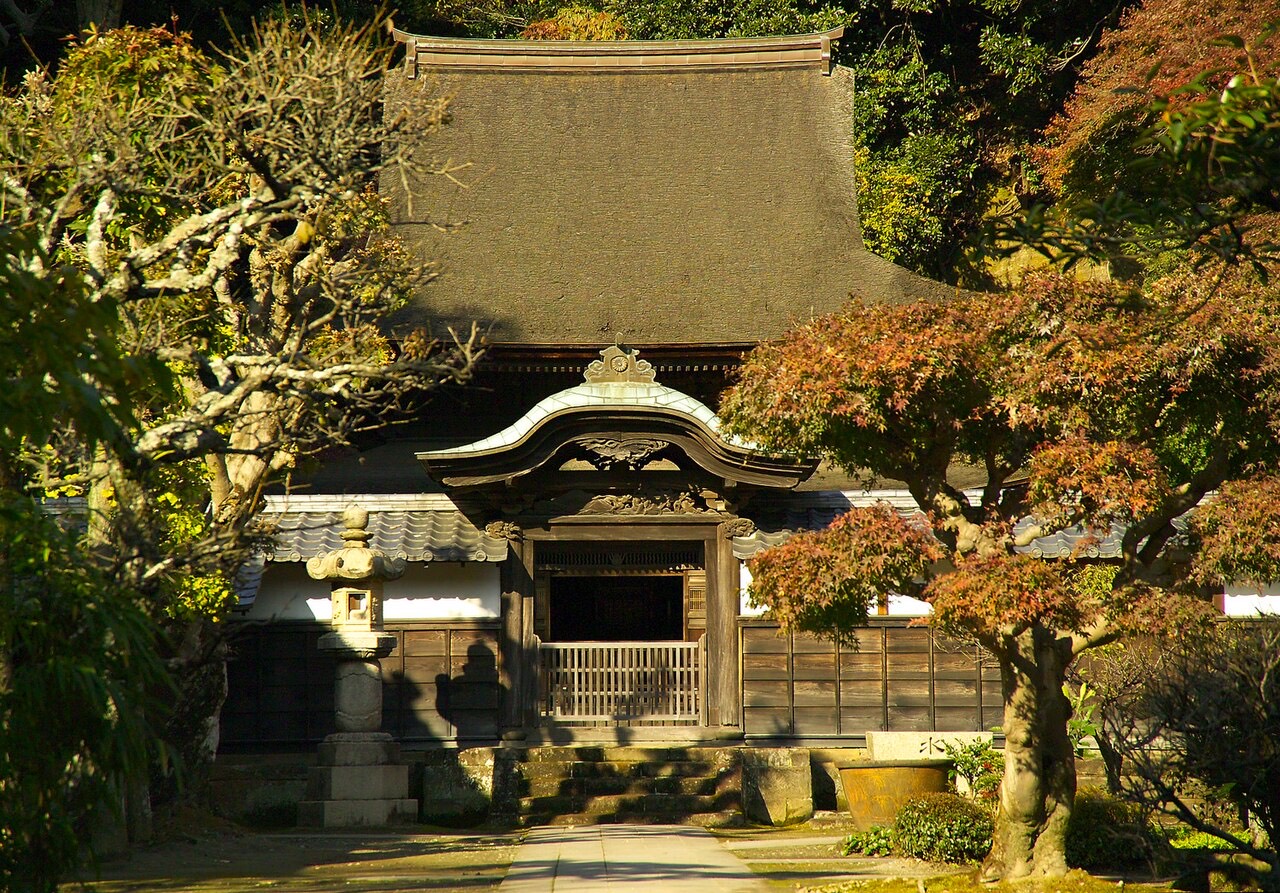
Engakuji円覚寺
Head temple of one of Rinzai Zen's great lineages, founded in 1282 by the regent Hojo Tokimune — who had taken office at eighteen — under Mugaku Sogen, the master he invited from Song China. The temple gate stands practically on the platform; the grounds climb the wooded valley behind it.
View place →
-
-
Korakuen 後楽園
-
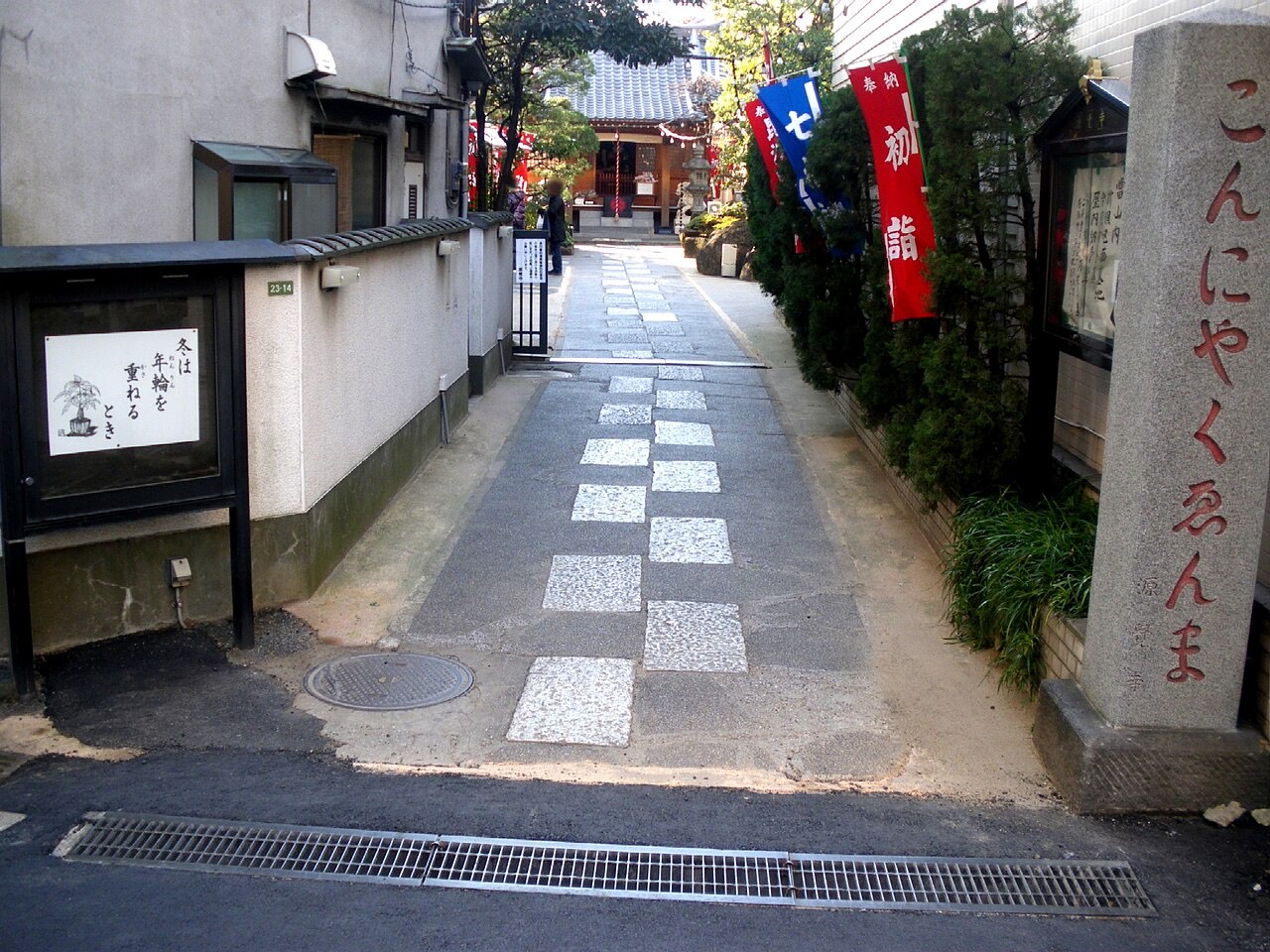
Genkakuji (Konnyaku Enma)源覚寺
Founded on this spot in 1624: people bring eye trouble to its Enma, and its bell came home from Saipan by way of Oakland in 1974.
View place →
-
-
Onarimon 御成門
-
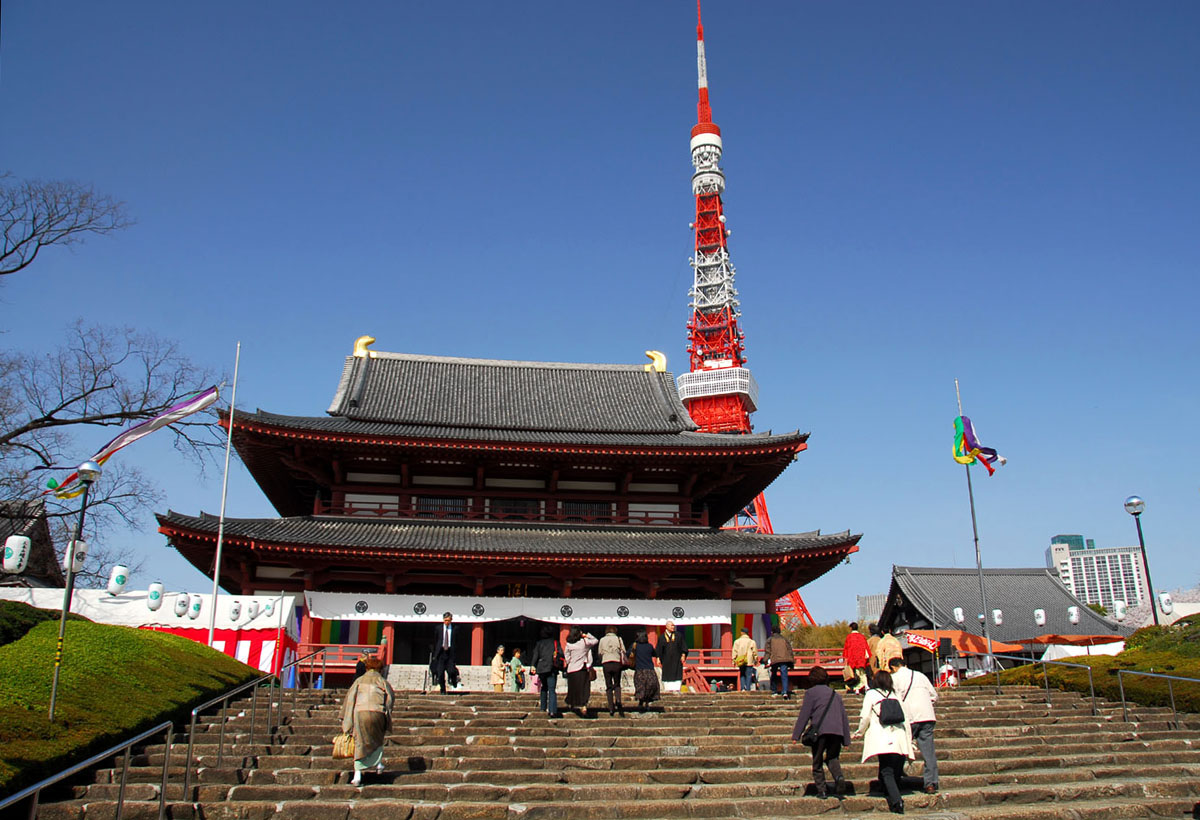
Zojoji増上寺
The Tokugawa family temple, its great gate of 1622 framed by Tokyo Tower behind.
View place →
-
-
Sengakuji 泉岳寺
-
-
Takaosan 高尾山
-
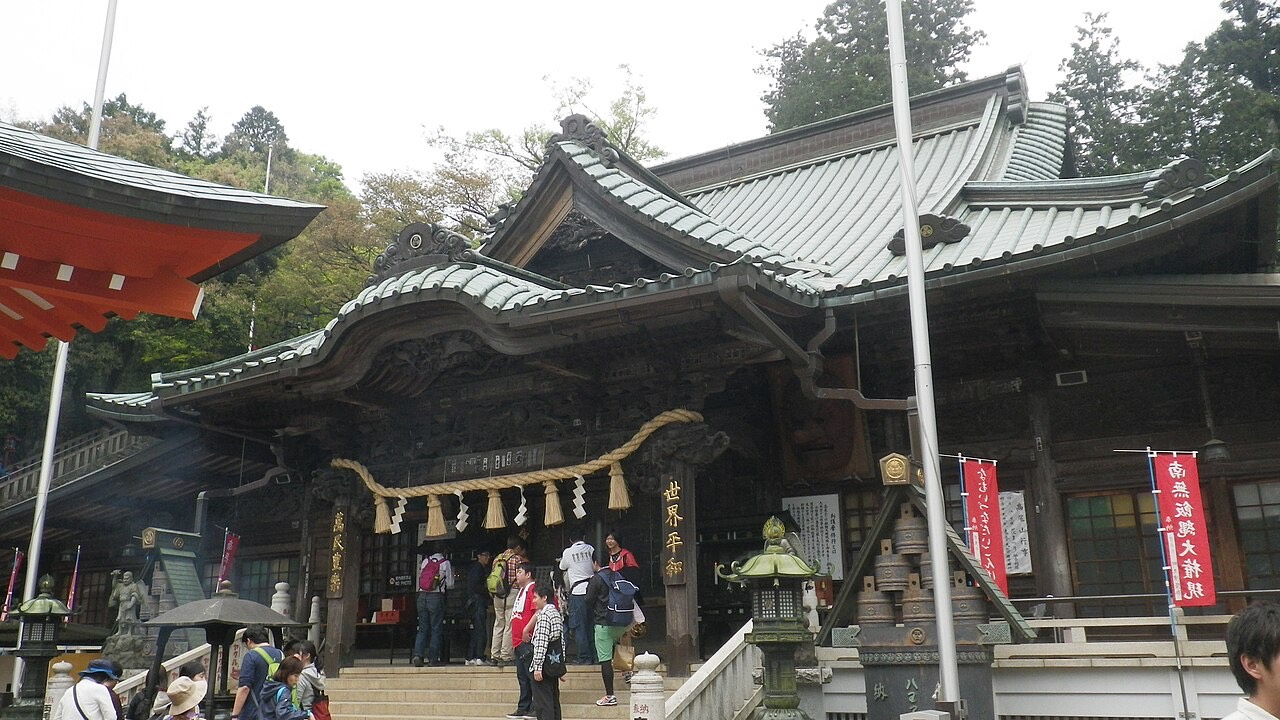
Takaosan Yakuoin高尾山薬王院
The temple that made Takao a sacred mountain — its halls are scattered through the forest at 600 metres, dedicated to the mountain deity Izuna Daigongen and guarded by tengu at every turn. From the cable car's top station the approach walk to the main hall is the classic pilgrimage stretch, and it has been a place of faith since the Edo period and long before.
View place →
-
-
Tsukiji 築地
-
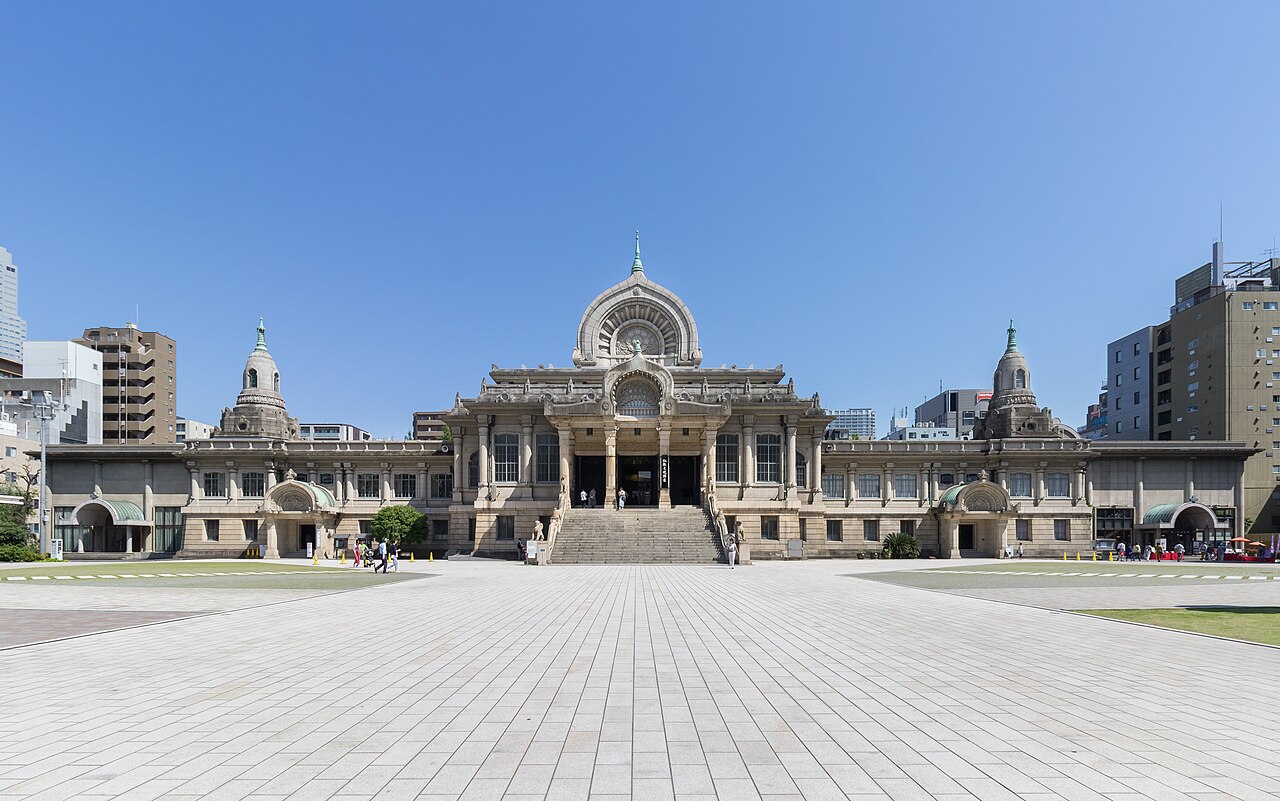
Tsukiji Hongwanji築地本願寺
A Buddhist temple in the robes of ancient India — dome, stone menagerie and pipe organ inside.
View place →
-
-
Zoshigaya 雑司が谷
-
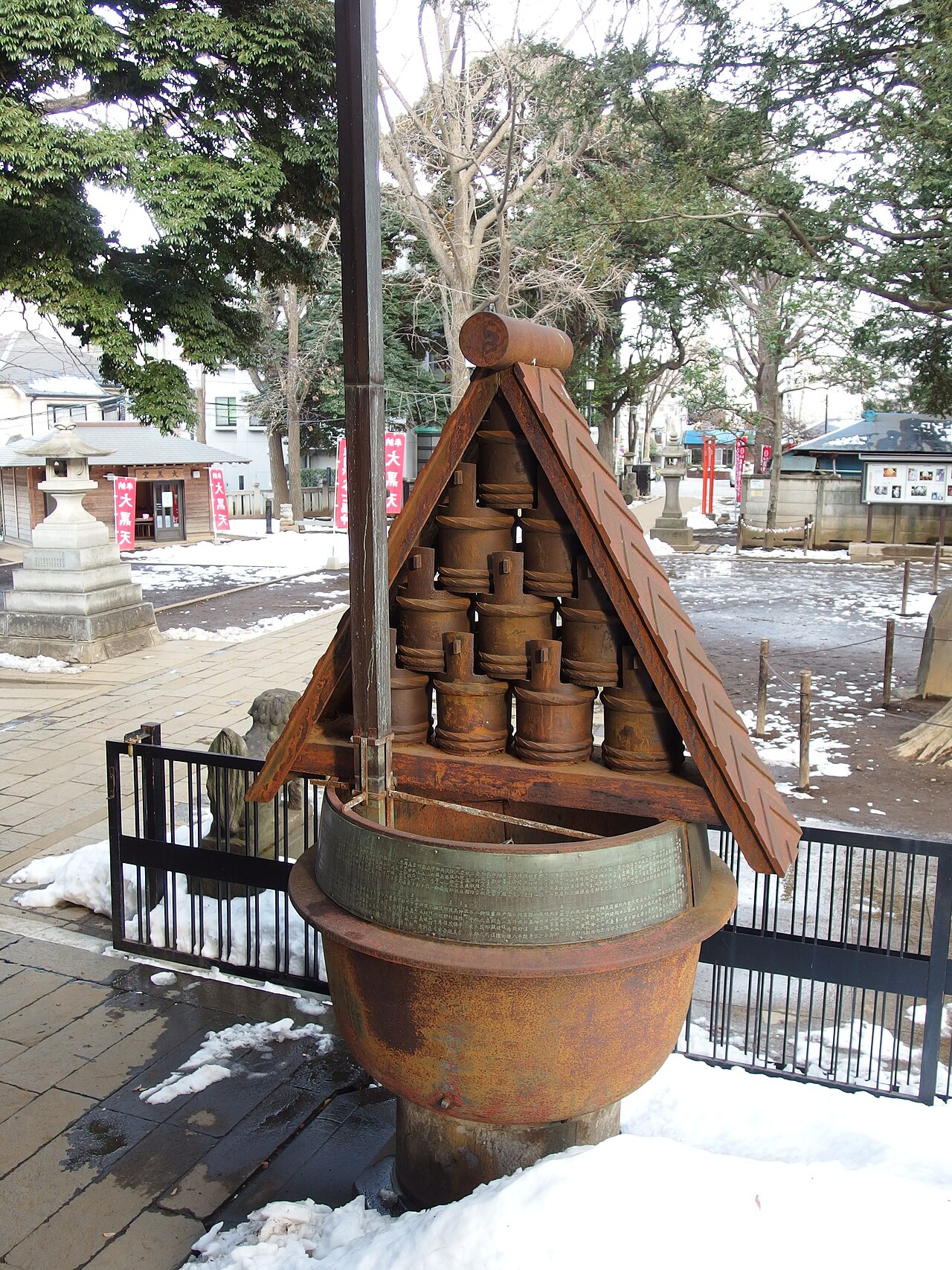
Zoshigaya Kishimojin-do雑司ヶ谷鬼子母神堂
A 1664 temple to the goddess of children, under a 700-year-old ginkgo.
View place →
-


Sights on this site come mostly from Tokyo’s official visitor guide; the stations we researched ourselves say so on their own pages. Sources