Gardens & parks
Strolling gardens the daimyo left behind, and the parks that grew up around them.
-
Matsudo 松戸
-
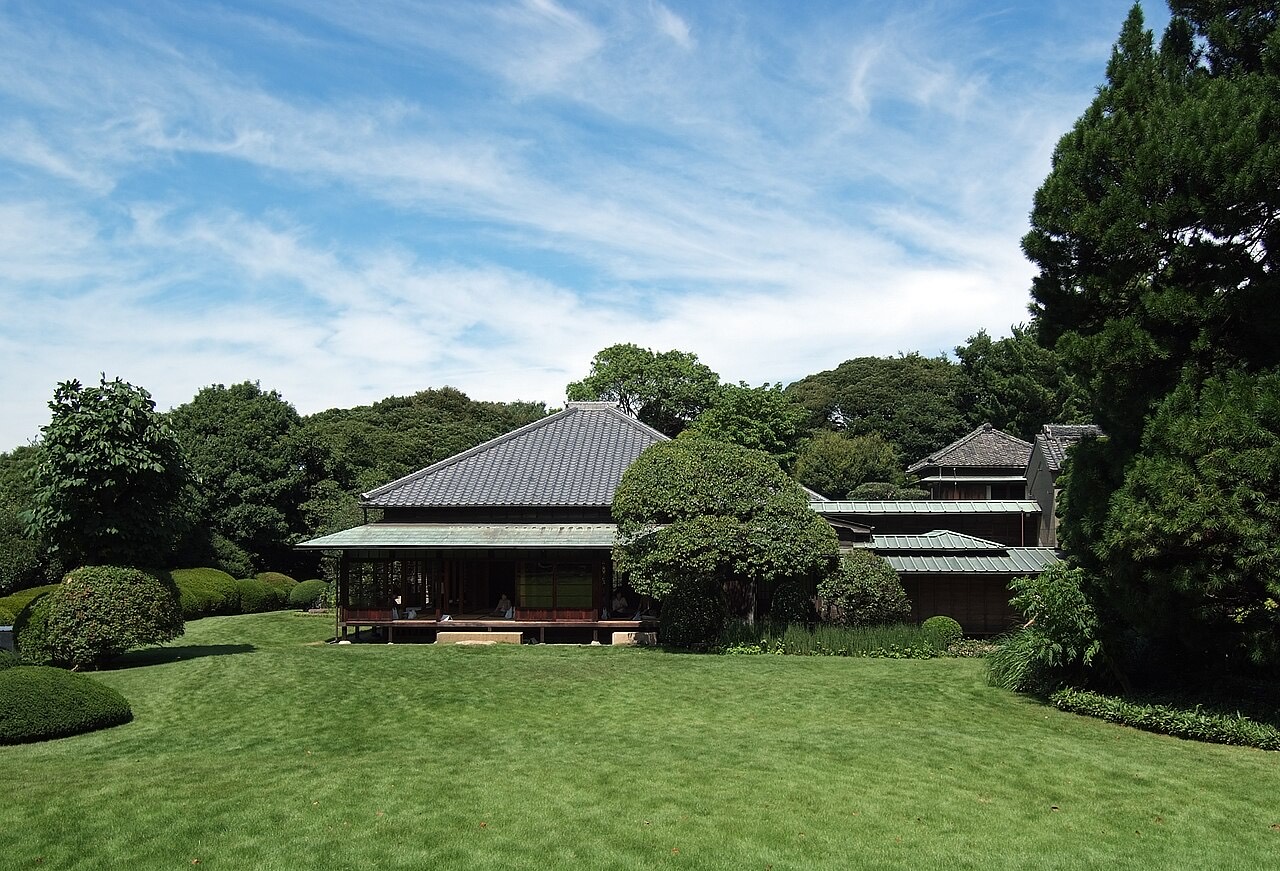
Tojo-tei House and Garden戸定邸・旧徳川昭武庭園
Tokugawa Akitake — the last lord of Mito, and a younger brother of the final shogun — opened this hillside residence in 1884 and lived there. It grew into nine linked buildings of 23 rooms, and by Matsudo City's own account no other Tokugawa family home of the Meiji decades has come down in anything near such complete condition; the buildings carry an Important Cultural Property listing. The garden holds a second national listing all of its own, as a Place of Scenic Beauty, and that citation turns on borrowed scenery — undulating lawn leaving the rooms, then an open westward fall toward the Edogawa, with Mount Fuji set far behind it. A history museum in the same park keeps Akitake's papers and possessions, among them what he brought home from the Paris exposition of 1867.
View place → -
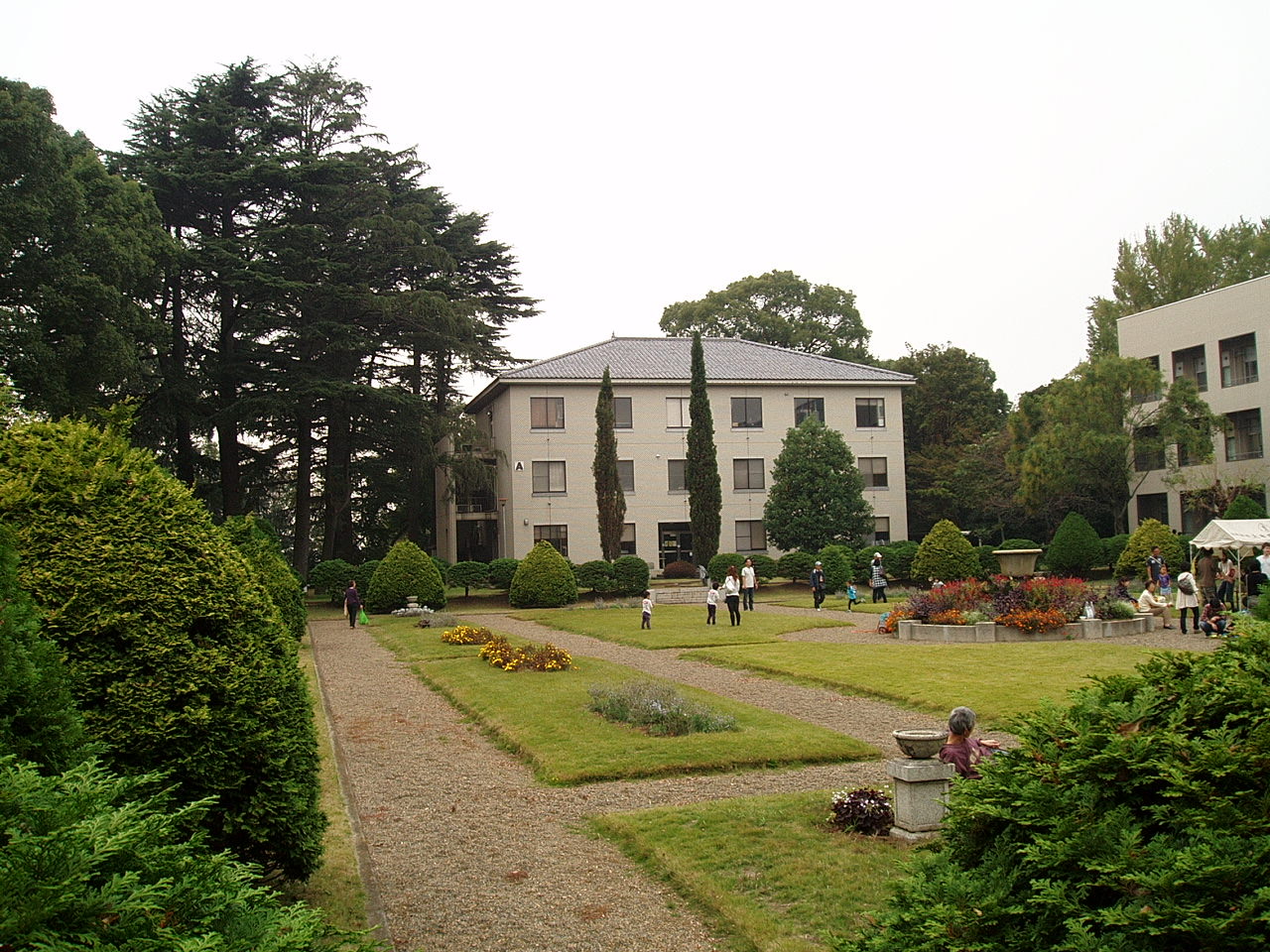
Chiba University Faculty of Horticulture — Matsudo campus gardens千葉大学園芸学部松戸キャンパス(西洋式庭園)
A prefectural horticulture school opened on this ridge in 1909 and laid out its teaching grounds in European styles, which the campus still keeps. The formal French garden is the one to climb for — set a level below the ground around it, so you look down onto the whole pattern of beds at once — with an English landscape garden, an Italian garden and a rock garden nearby. Tojo-tei stands on the same hilltop, so the two make one walk.
View place → -
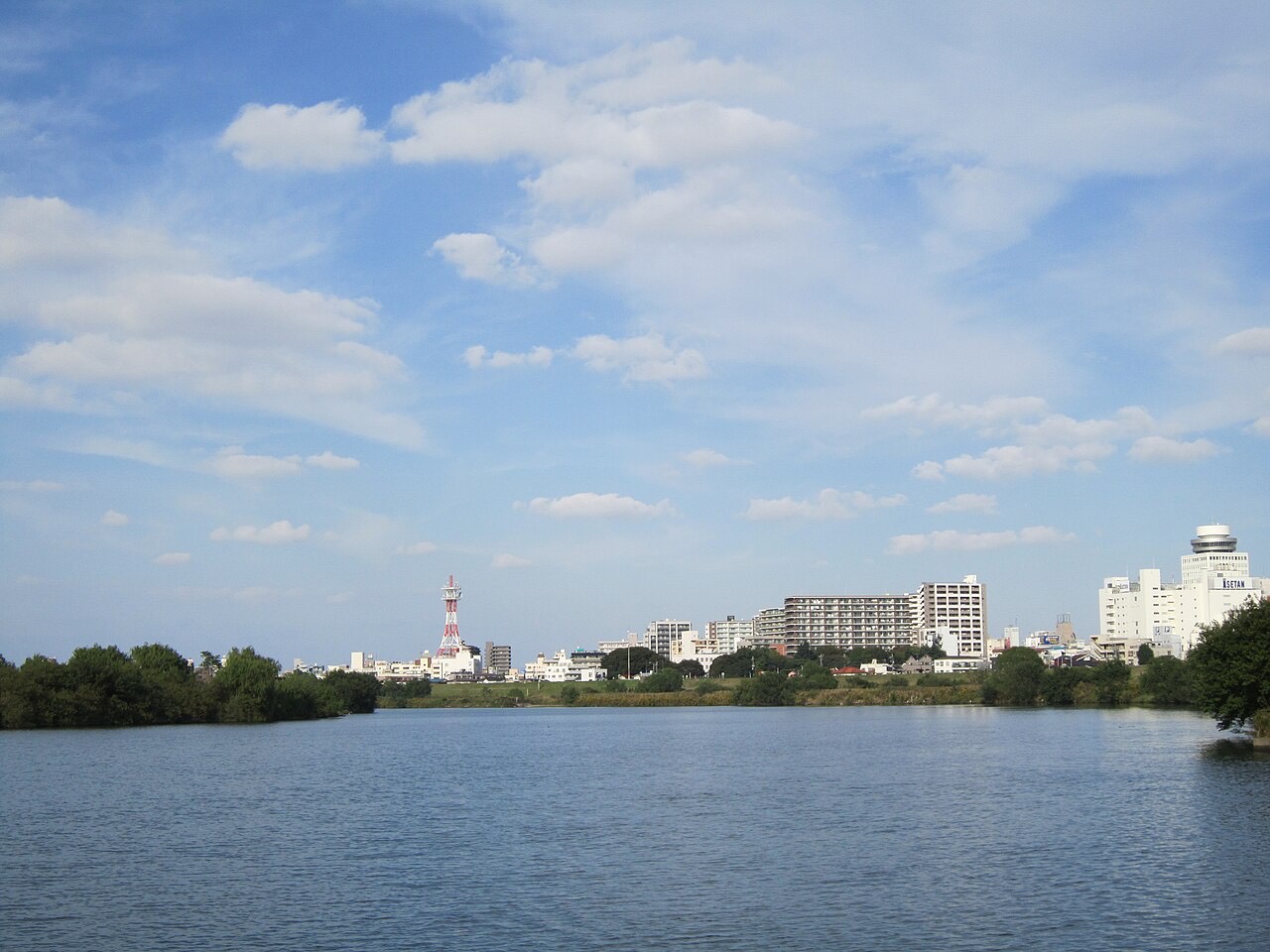
The Edogawa embankment at Matsudo江戸川堤(松戸)・江戸川松戸フラワーライン
Under ten minutes west of the station the streets end at a grass levee and the Edogawa opens out, a channel broad enough that the far bank is a different prefecture and nothing stands between you and the sky. The post town behind you lived off this water — fish brought overland from Choshi was loaded at landings here and sent downriver to Nihonbashi. Another ten minutes upstream along the crest is the riverbed flower field the city and its volunteers have tended since 1995.
View place →
-
-
Asakusa 浅草
-
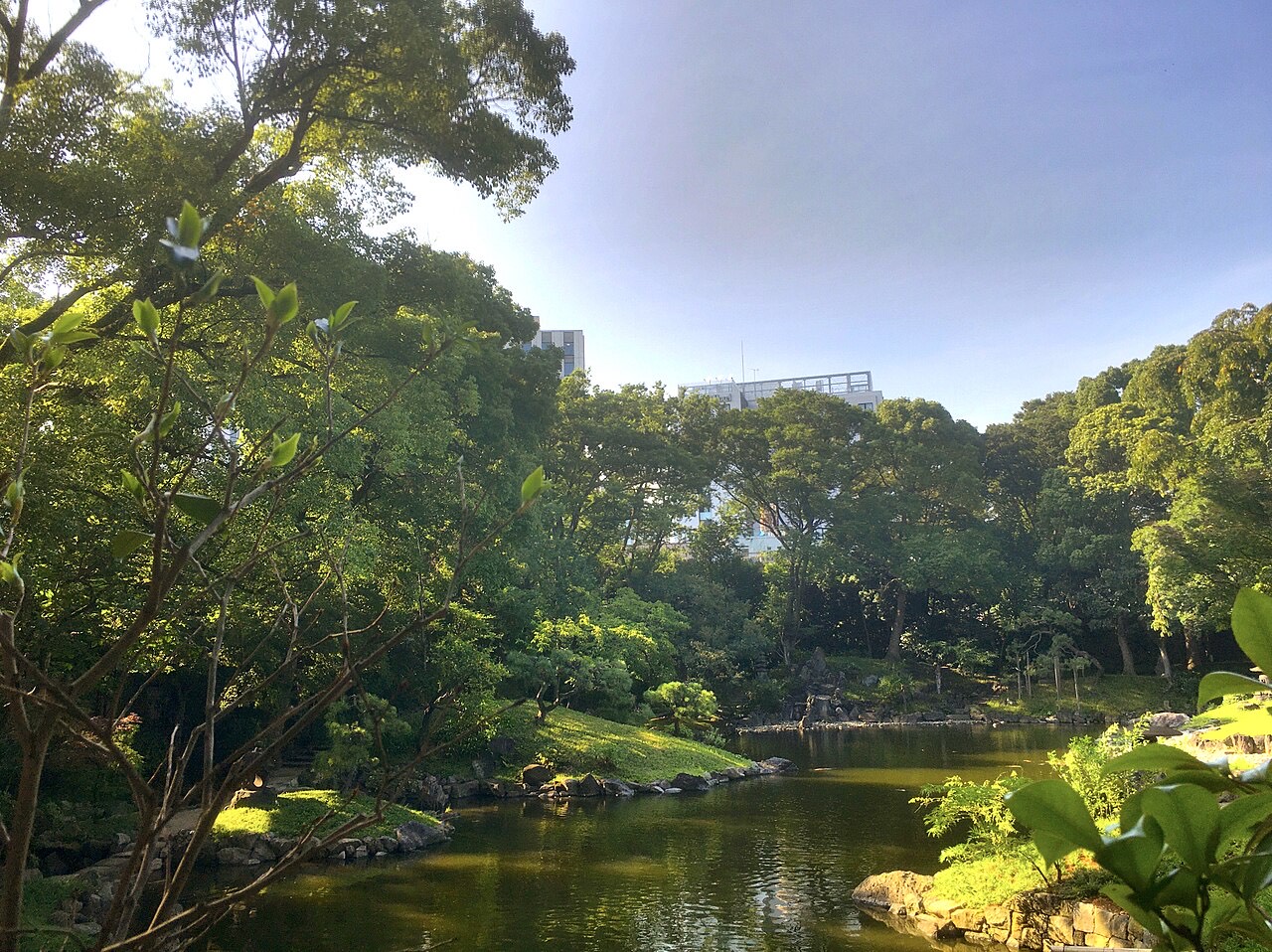
Denboin Garden伝法院庭園
An early-Edo pond garden and national scenic site behind the long wall on Denpoin-dori — closed for restoration, so know it rather than plan it.
View place →
-
-
Daimon 大門
-
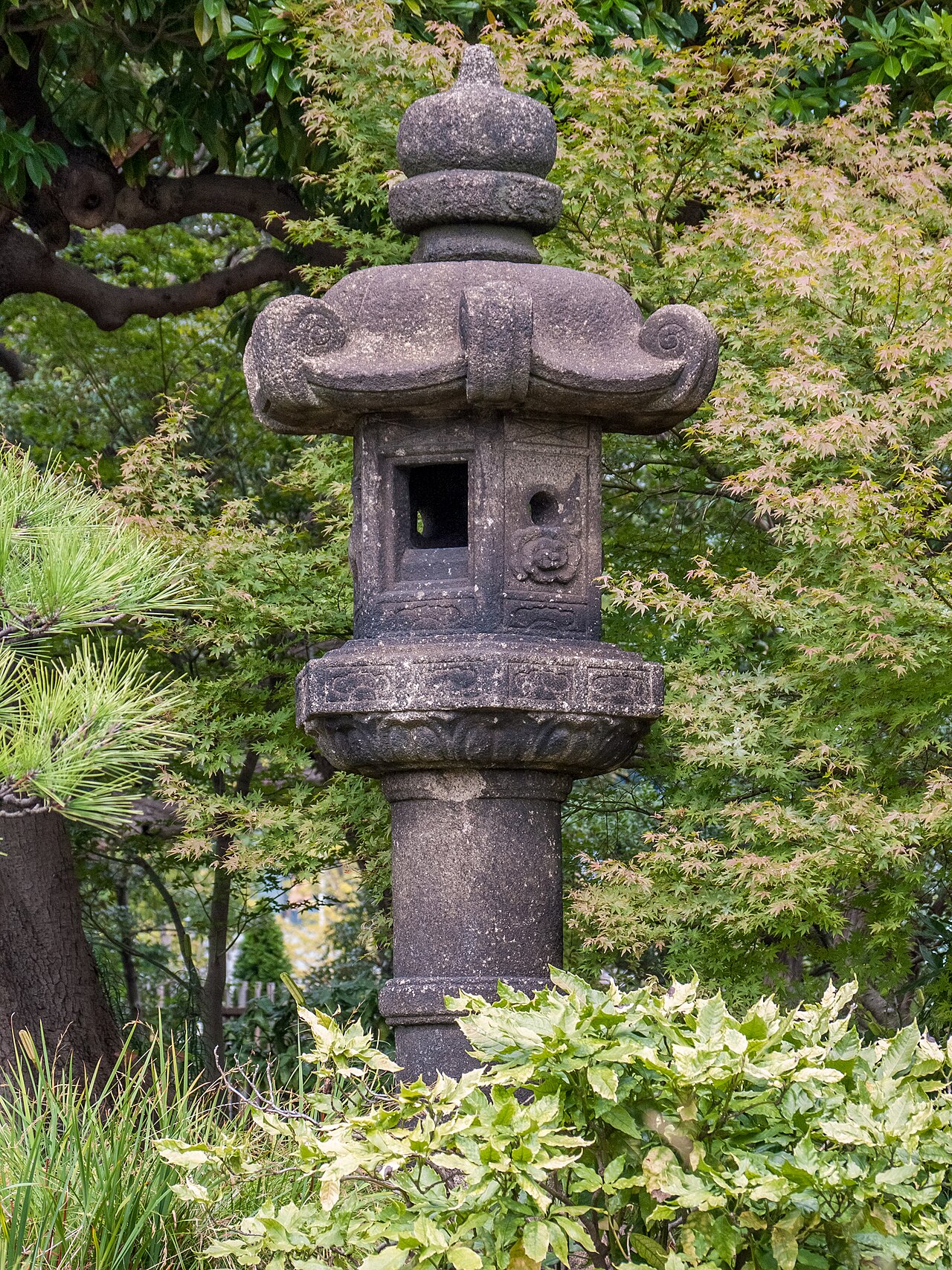
Kyu-Shiba-rikyu Gardens旧芝離宮恩賜庭園
One of Edo’s earliest lords’ gardens — masterly stonework rings a pond that once held the sea.
View place →
-
-
Hibiya 日比谷
-
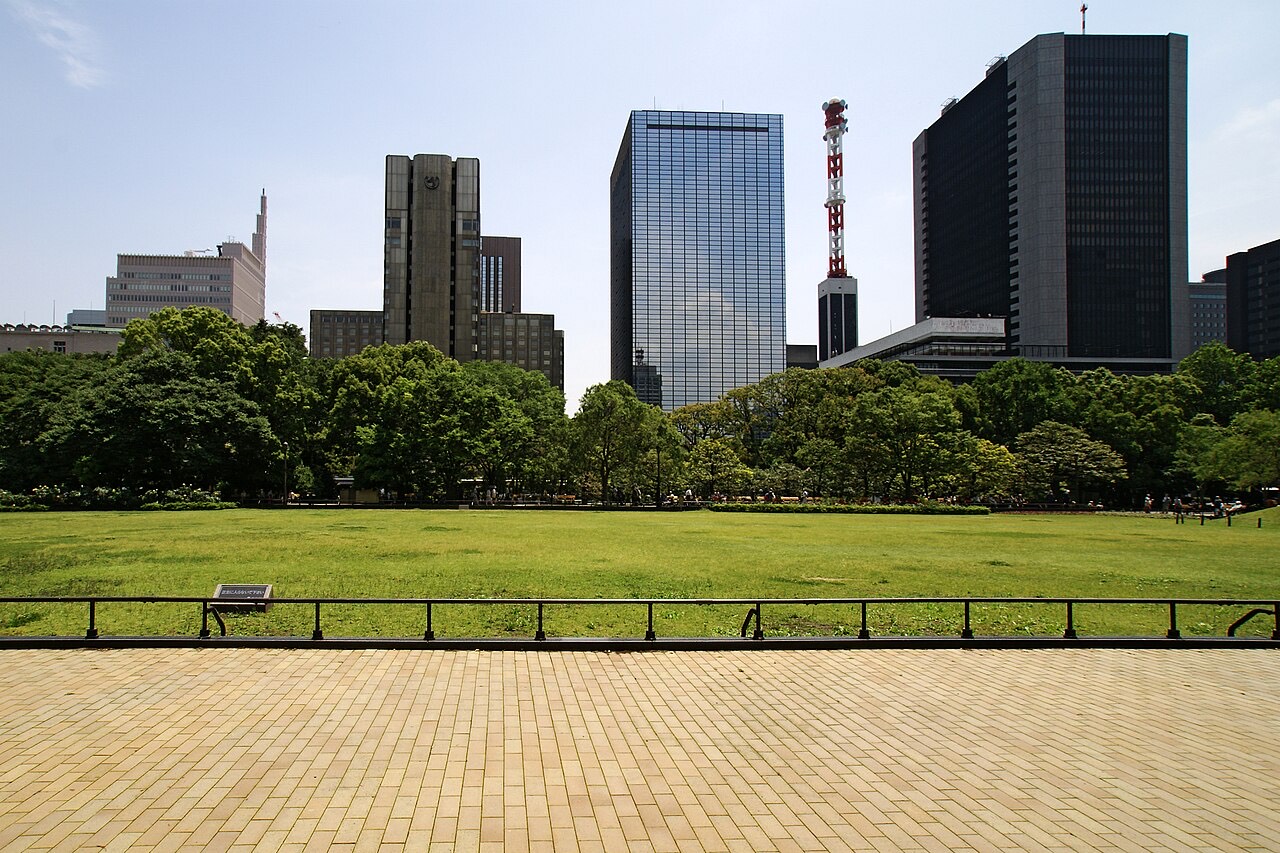
Hibiya Park日比谷公園
Japan’s first Western-style public park, open since 1903, with lawns, ponds and old trees between the ministries and the theatres. The great fountain is fenced off for the park’s rebuild, with no reopening date given.
View place →
-
-
Higashimonzen 東門前
-
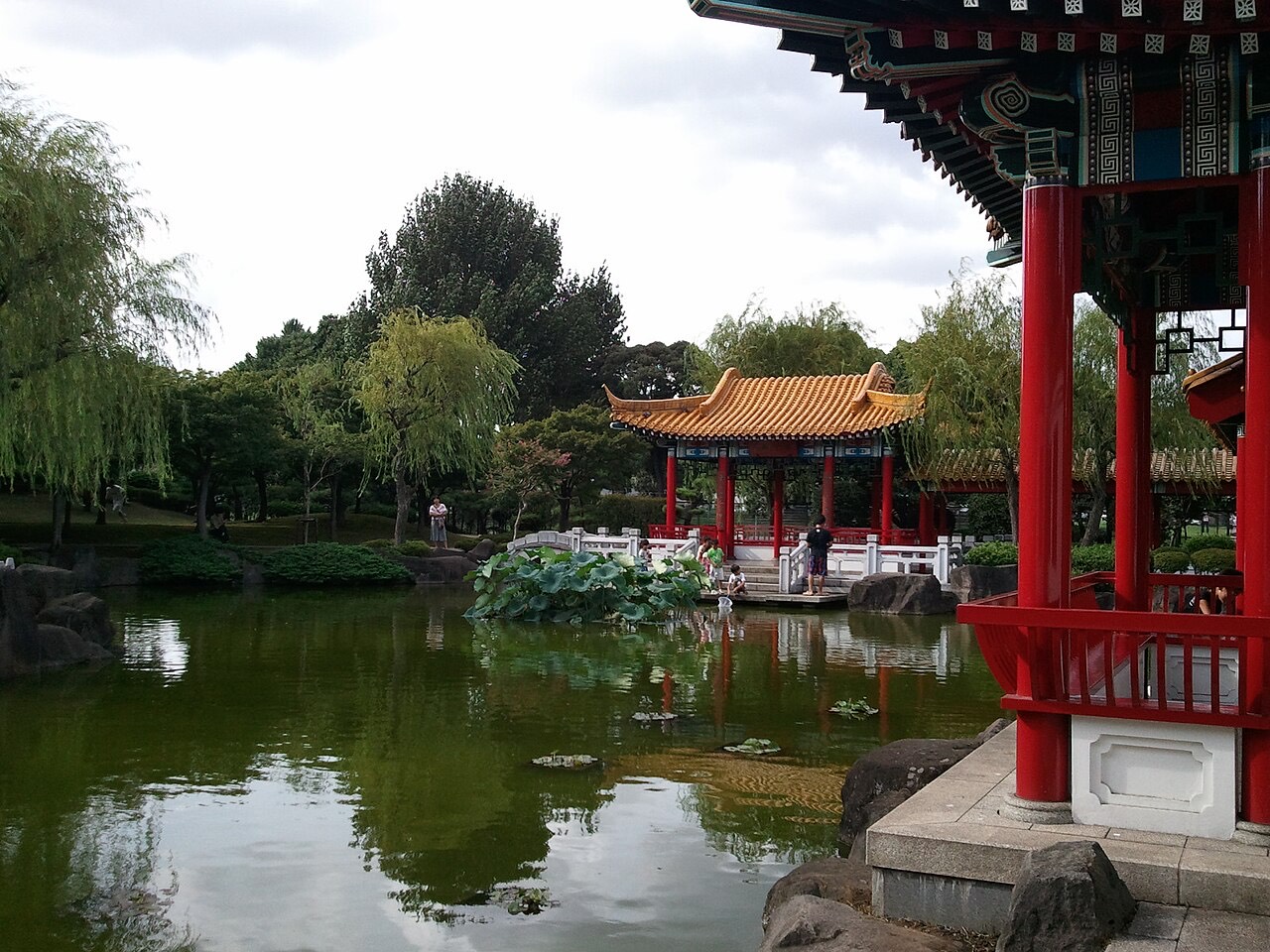
Shinshuen Chinese Garden瀋秀園
An enclosed Chinese garden at the far end of a large municipal park, with gates of its own and a style that has no other example for miles. Shenyang — Kawasaki's Chinese partner city since 1981 — gave it to the city, and the garden dates from 1987; its name welds the character for Shenyang to one meaning fine or beautiful. Lotus on the water in summer, peonies in spring. Kawasaki Daishi temple lies about eight minutes west, so the two make an easy pair.
View place →
-
-
Honjo-azumabashi 本所吾妻橋
-

Sumida Park隅田公園
A kilometre of riverside cherry trees; the summer fireworks’ front row.
View place →
-
-
Kiyosumi-shirakawa 清澄白河
-
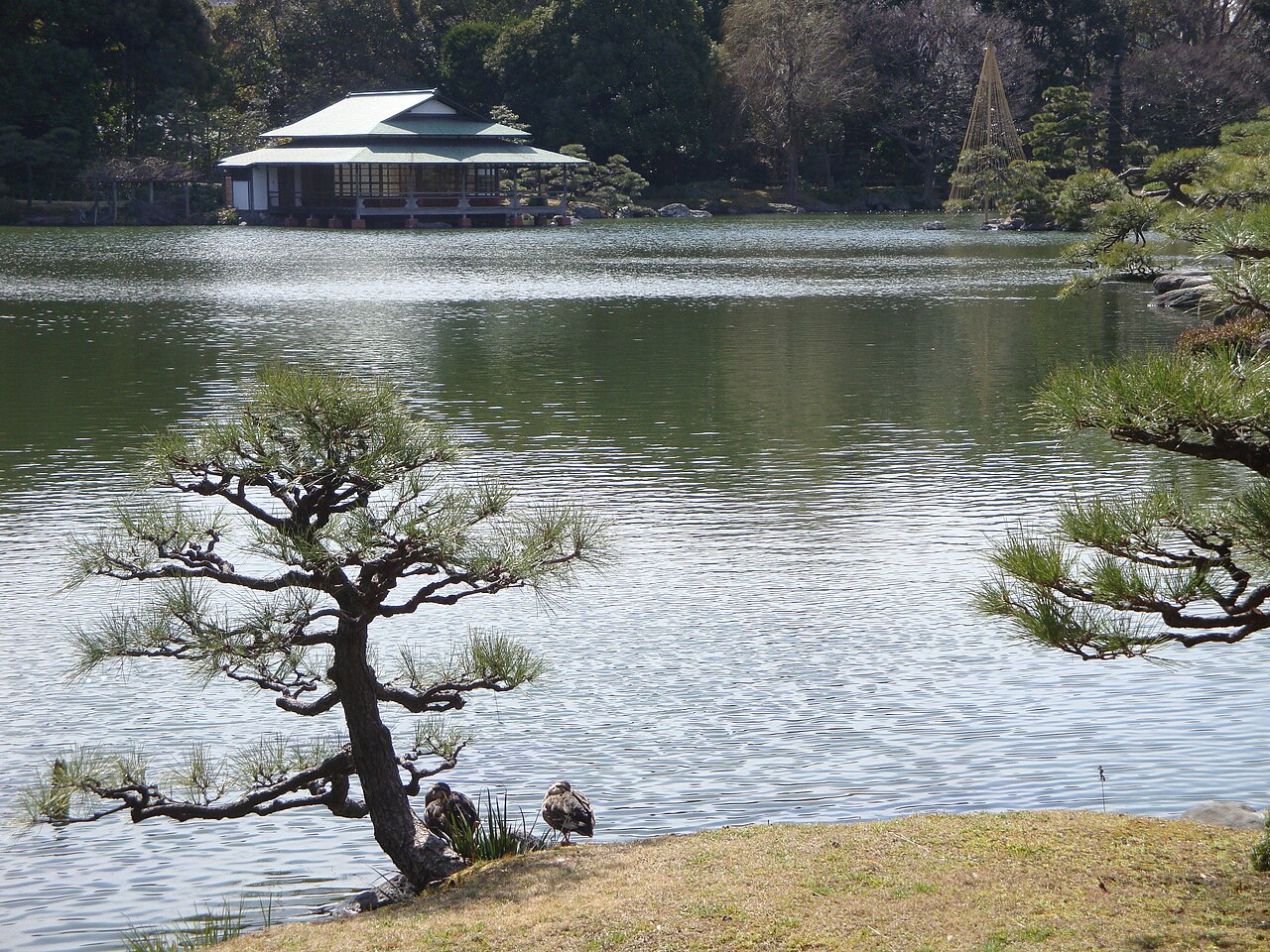
Kiyosumi Gardens清澄庭園
A Meiji stone-collector’s garden — famous rocks from all Japan set around one great pond.
View place →
-
-
Komagome 駒込
-

Rikugien六義園
The Edo strolling garden at its most poetic — built in 1702 around scenes from classical verse.
View place →
-
-
Korakuen 後楽園
-
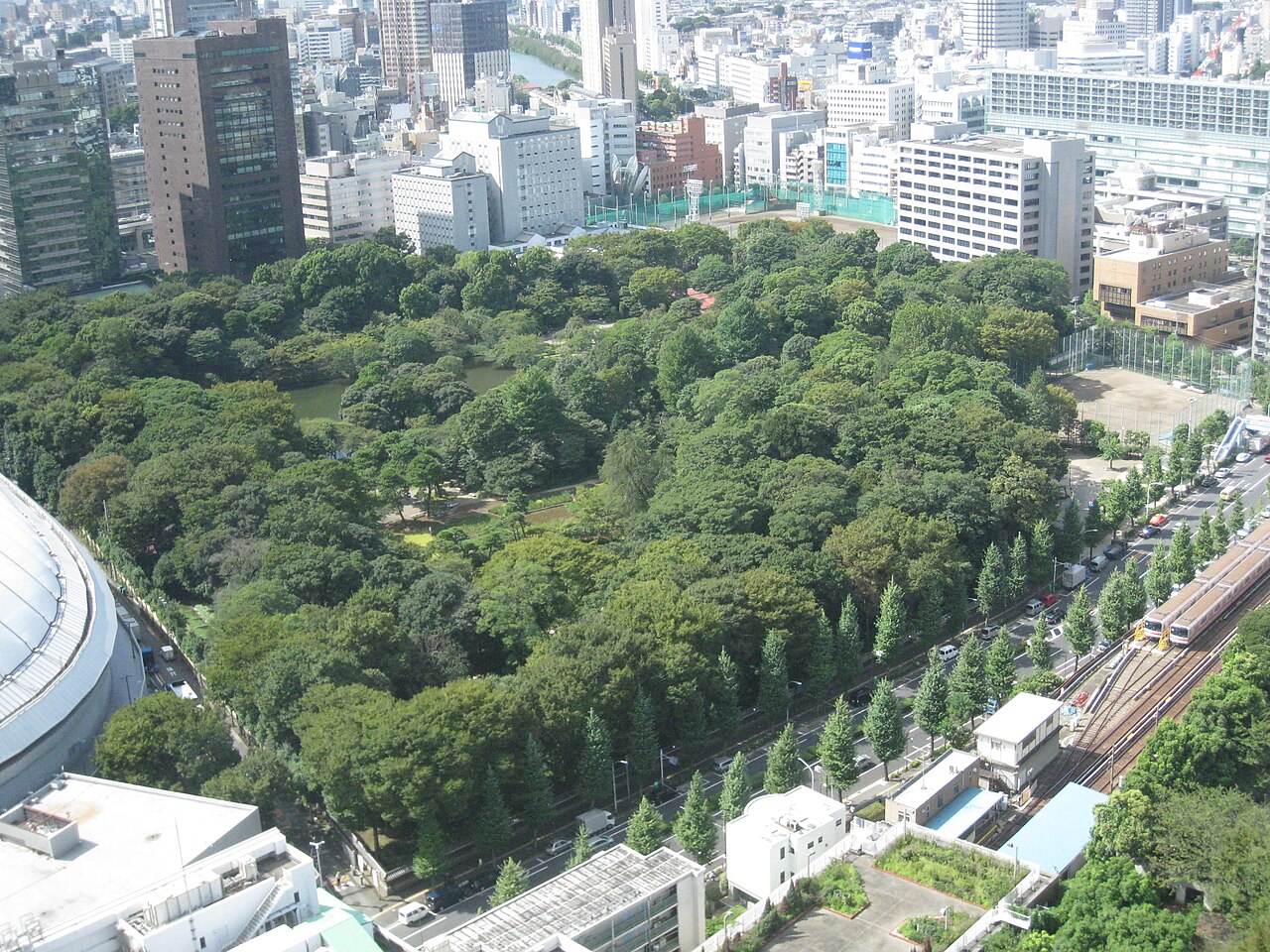
Koishikawa Korakuen小石川後楽園
The Mito Tokugawas’ garden of 1629 — lakes, hills and borrowed Chinese scenery, a special national site.
View place →
-
-
Nishigahara 西ケ原
-
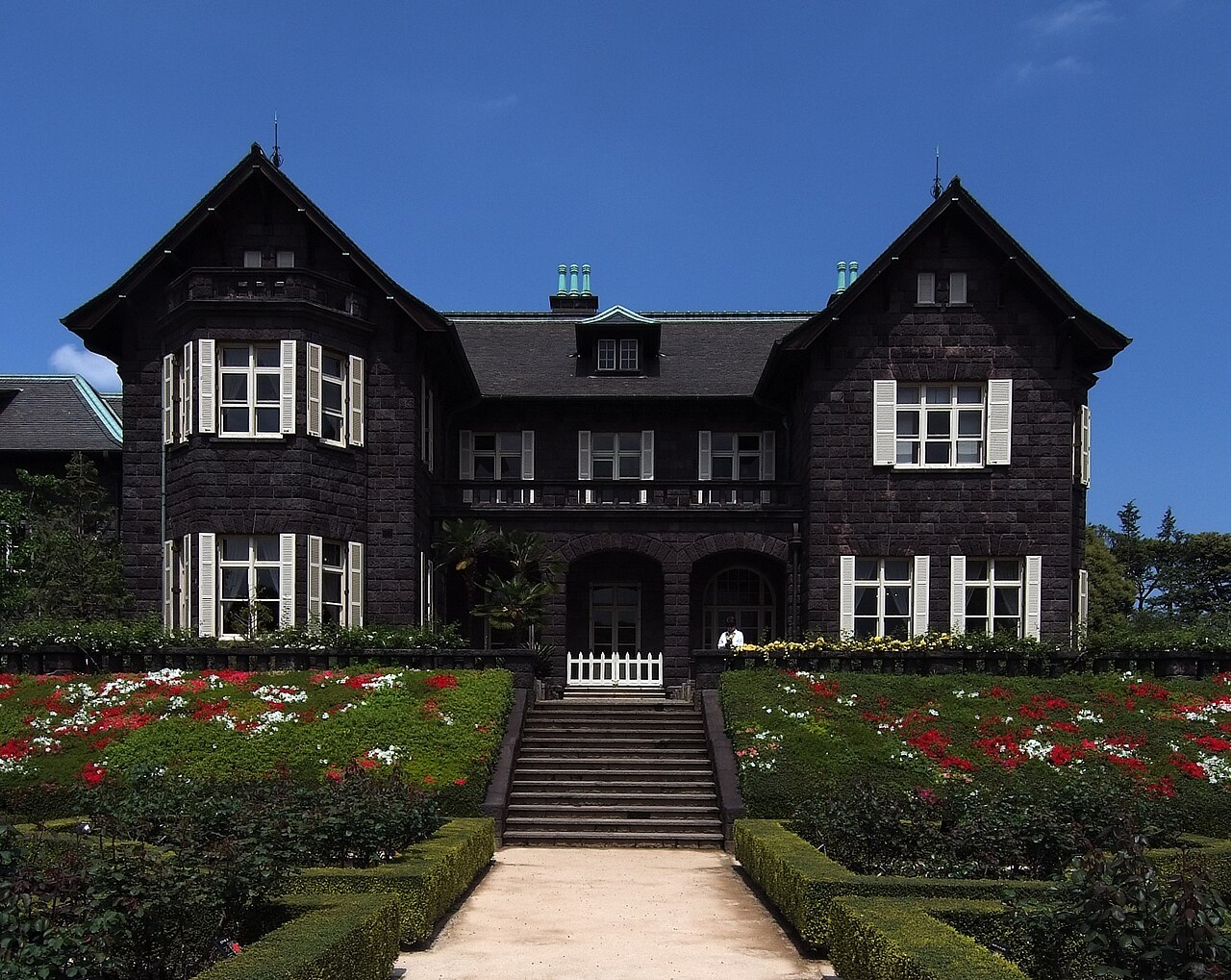
Kyu-Furukawa Gardens旧古河庭園
A Taisho-era pairing — Western mansion above rose terraces, Japanese garden in the ravine.
View place →
-
-
Omote-sando 表参道
-

Nezu Museum根津美術館
National-treasure Asian art behind a Kengo Kuma facade, with a garden worth the ticket alone.
View place →
-
-
Otemachi 大手町
-
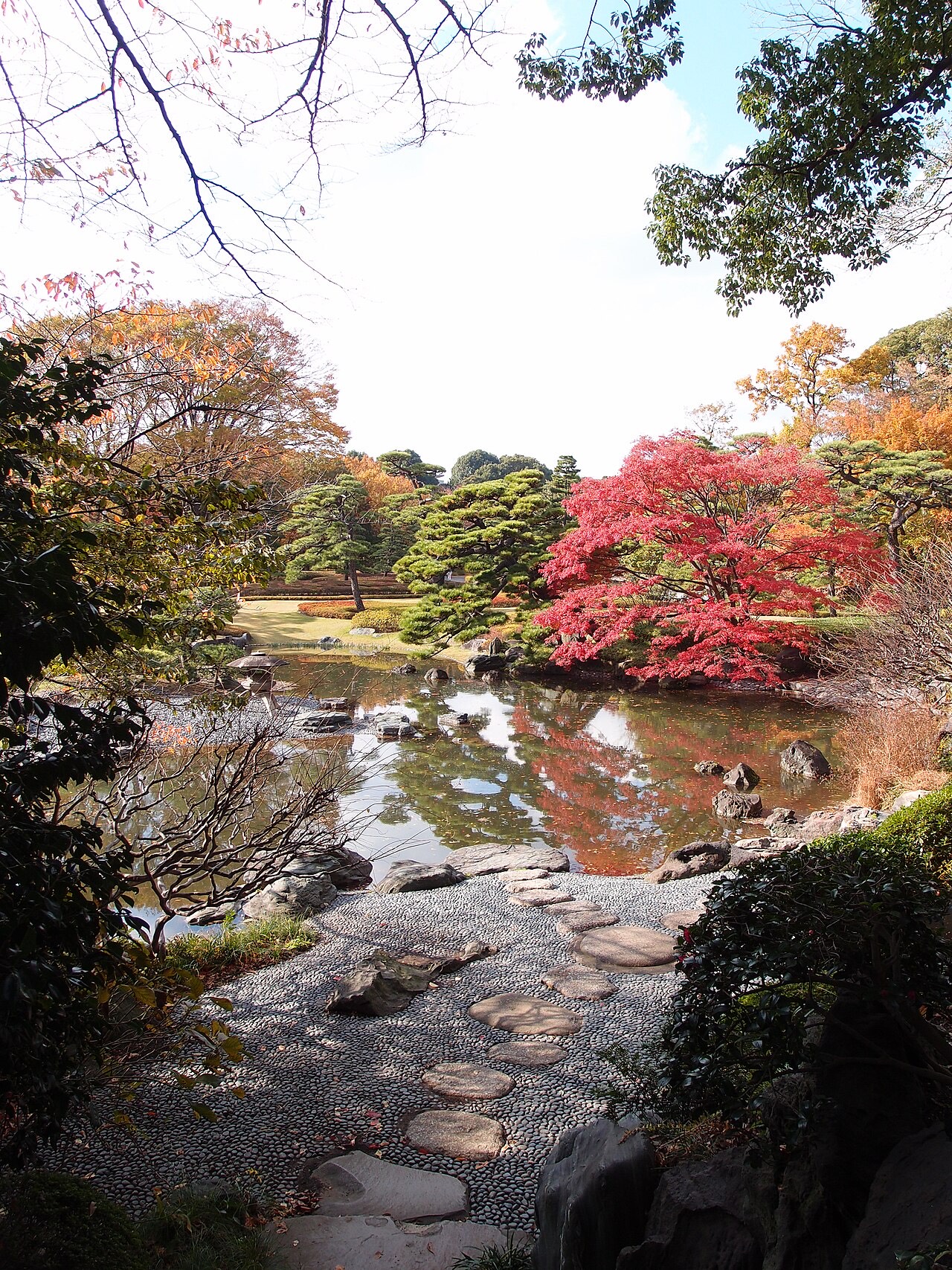
Imperial Palace East Gardens皇居東御苑
The honmaru of Edo Castle, free to walk — the great stone base of the keep that burned in 1657 still stands, with the Ninomaru garden laid out below.
View place →
-
-
Ryogoku 両国
-
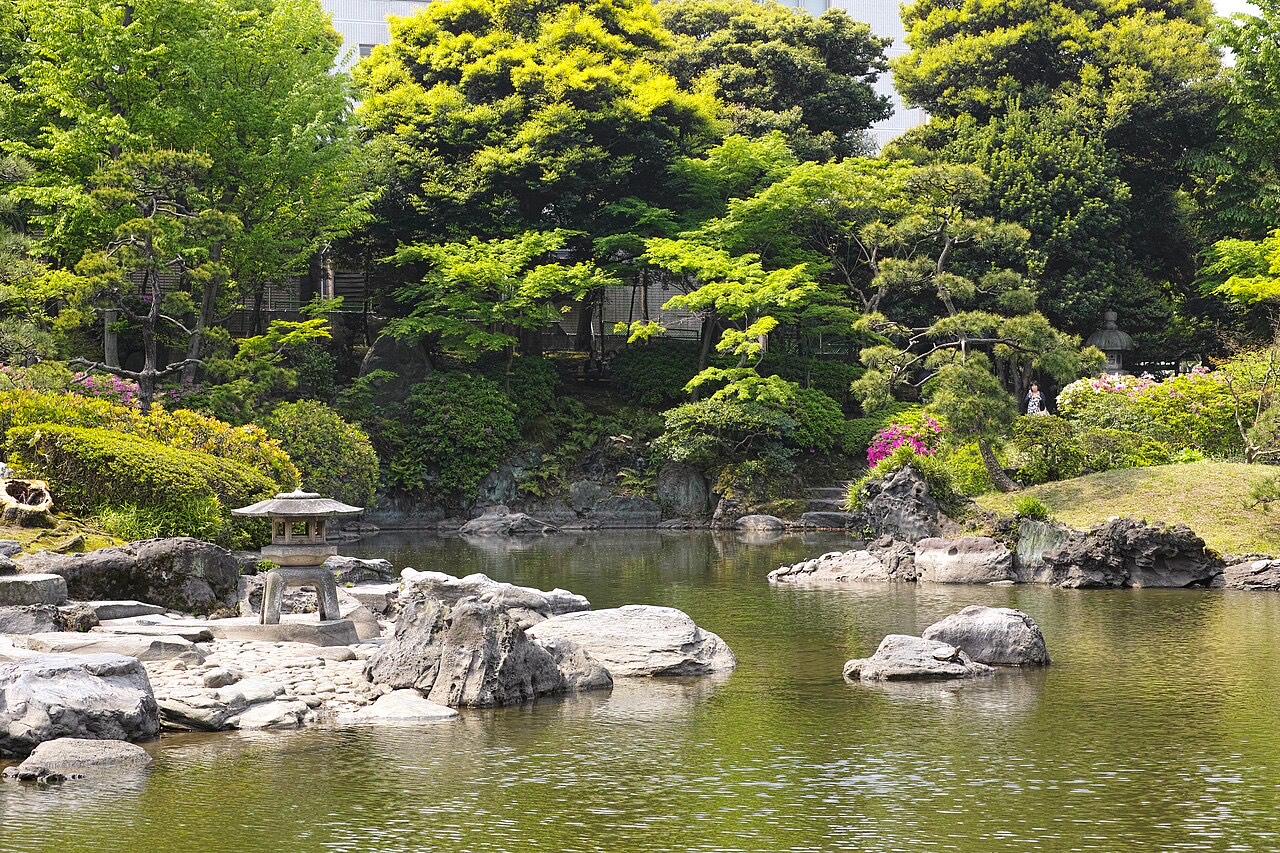
Kyu-Yasuda Garden旧安田庭園
A daimyo’s strolling garden whose pond once rose and fell with the Sumida, rebuilt after the 1923 earthquake and a Tokyo-designated scenic spot.
View place →
-
-
Shinjuku-gyoemmae 新宿御苑前
-
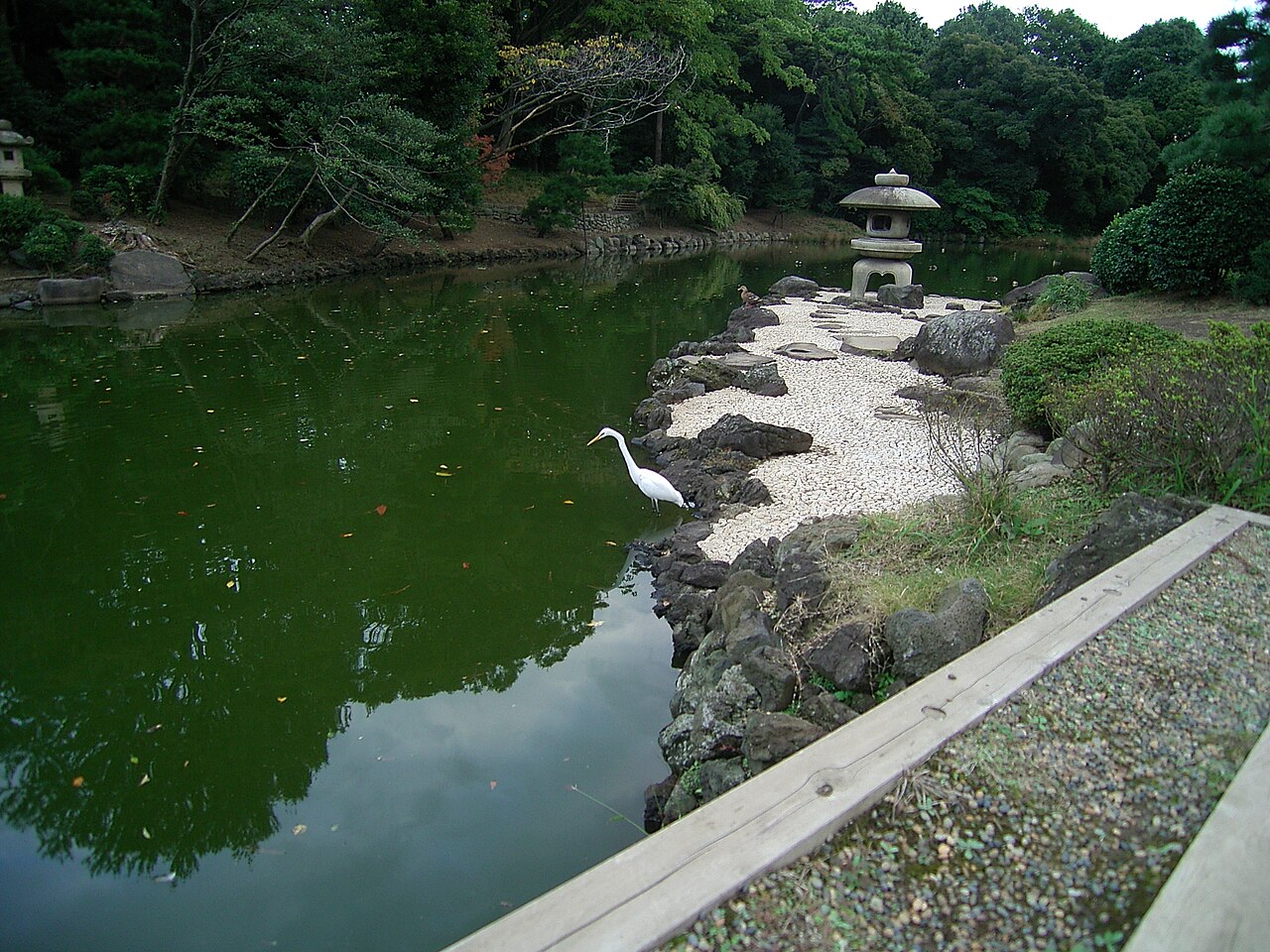
Shinjuku Gyoen新宿御苑
An imperial garden gone public — French, English and Japanese styles in one vast green room.
View place →
-
-
Shiodome 汐留
-

Hamarikyu Gardens浜離宮恩賜庭園
The shoguns’ seaside garden — the one Edo pond left that still rises and falls with the tide.
View place →
-
-
Shirokanedai 白金台
-

Happoen八芳園
An Edo-era strolling garden with a tea house over the pond — weddings’ favourite backdrop.
View place →
-
-
Ueno 上野
-
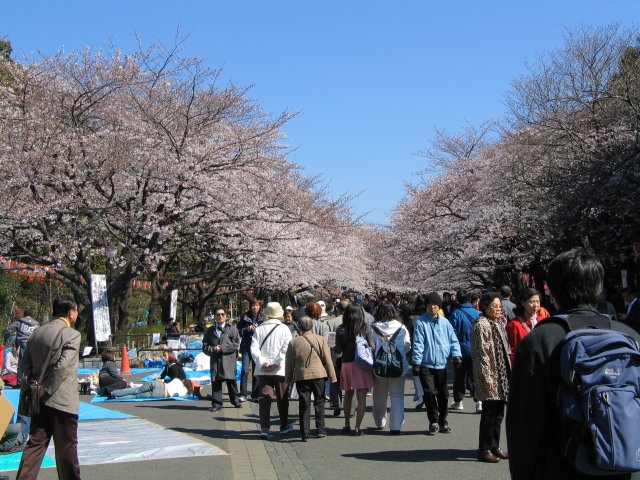
Ueno Park上野恩賜公園
Japan’s first public park — zoo, national museums and spring’s most famous cherry tunnel.
View place →
-
-
Yoyogi-koen 代々木公園
-
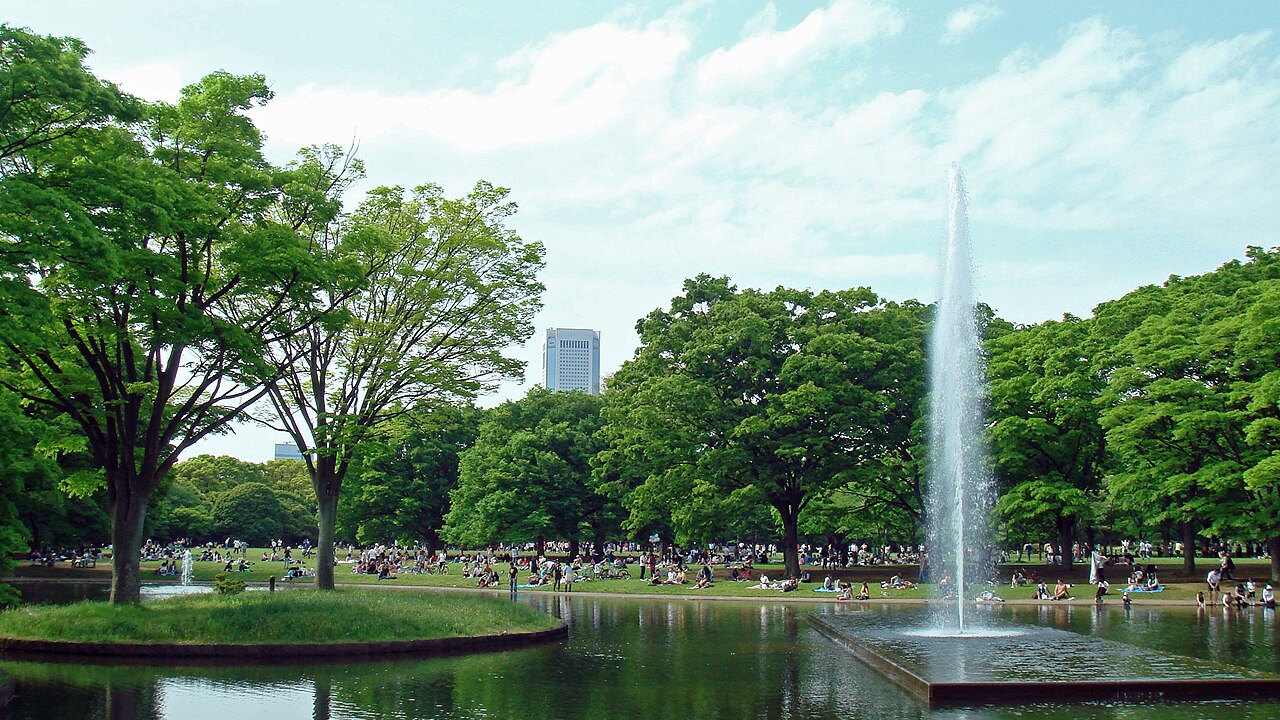
Yoyogi Park代々木公園
Tokyo’s great lawn — picnics, buskers and rockabilly dancers where the Olympic village once stood.
View place →
-


Sights on this site come mostly from Tokyo’s official visitor guide; the stations we researched ourselves say so on their own pages. Sources