
Exits
Street exits by their posted numbers — the ones OpenStreetMap maps here, which is not always all of them. Marked exits have a step-free entrance.
Which exit for which sight
- 5Ueno Park≈4 min walk · Ameyoko≈3 min walk · Shitamachi Museum≈6 min walk
- 7Ueno Zoo≈17 min walk · Tokyo National Museum≈14 min walk · National Museum of Nature and Science≈10 min walk
Of the exits listed here, the one with the shortest walk on foot, routed by us — not the operator’s own exit guide, which may send you a different way.
- 1step-free
- 2
- 3
- 4
- 5
- 6
- 7
- 8
Step-free access
- Tokyo MetroB1FWheelchair-accessible · Ostomate · Baby change
- JR EastB3FWheelchair-accessible · Ostomate · Baby change
- JR East1FWheelchair-accessible · Ostomate · Baby change
- JR East3FWheelchair-accessible
- JR East3F(右)Wheelchair-accessible · Ostomate · Baby change
- JR East3F(左)Wheelchair-accessible · Ostomate · Baby change
First and last train
Departures from this station. A time after midnight belongs to the night before — 00:20 means tonight, not tomorrow morning.
JR East times aren’t shown here. Check the official timetable.
- JR EastYamanote Line · Keihin-Tohoku Line · Ueno-Tokyo Line · Joban Line (Rapid)JR East official site (English) ↗
Why some times are missing
JR East: the Public Transportation Open Data Center (ODPT) releases these station timetables under its Open Data Challenge licence, for contest entrants only, so this site cannot republish them.
Tokyo Metro, Toei and five other railways publish on terms this site can use, which is why their stations have times.
G-16Ginza Line
Asakusa
Every day05:15–00:19
Shibuya
Every day05:06–00:00
H-18Hibiya Line
Kita-senju
Every day05:21–00:22
Naka-meguro
Every day05:09–00:01
Pop-ups & short runs
Running near this stop right now, soonest to close first. Dates are the venue’s own — worth a check before you set off.
Until 29 SeptThe 39th Depicting Japan's Nature ExhibitionThe Ueno Royal Museum
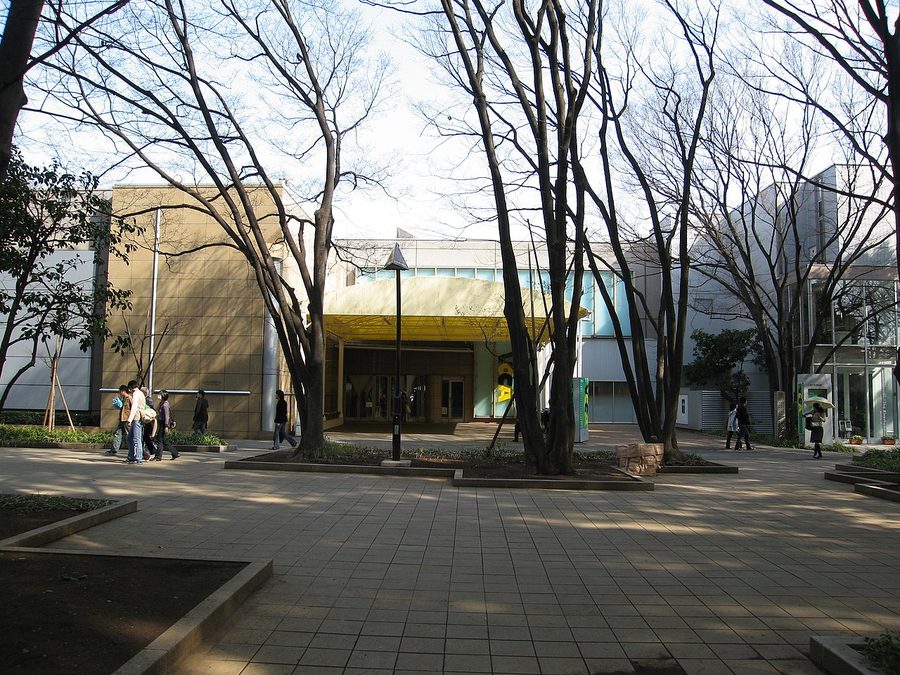
The Ueno Royal Museum上野の森美術館 The Ueno Royal Museum第39回 日本の自然を描く展
Ueno Park, Taito, TokyoSee on map →
An open-call painting show, now in its 39th edition, hung with everyday landscapes and seasonal scenes, figures and still lifes worked in nihonga, oils, watercolour, prints and pastel; admission is 800 yen and free for high-school age and under.
10 Sept – 29 SeptThe Ueno Royal Museum (official site)

Last checked 2026-08-31
What to see nearby
6
Picked from Tokyo's official visitor guide — a short walk or direct exit from this stop.
Ueno Park上野恩賜公園
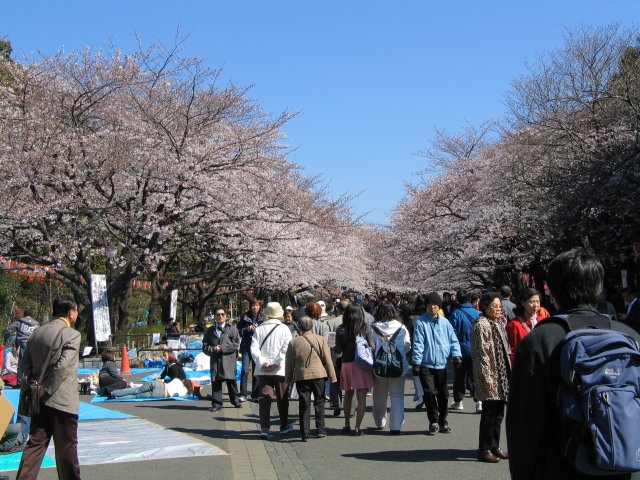
Japan’s first public park — zoo, national museums and spring’s most famous cherry tunnel.
Exit 5≈4 min walkUeno underground bypass, Ueno Park, Taito, TokyoSee on map →
Ameyokoアメ横
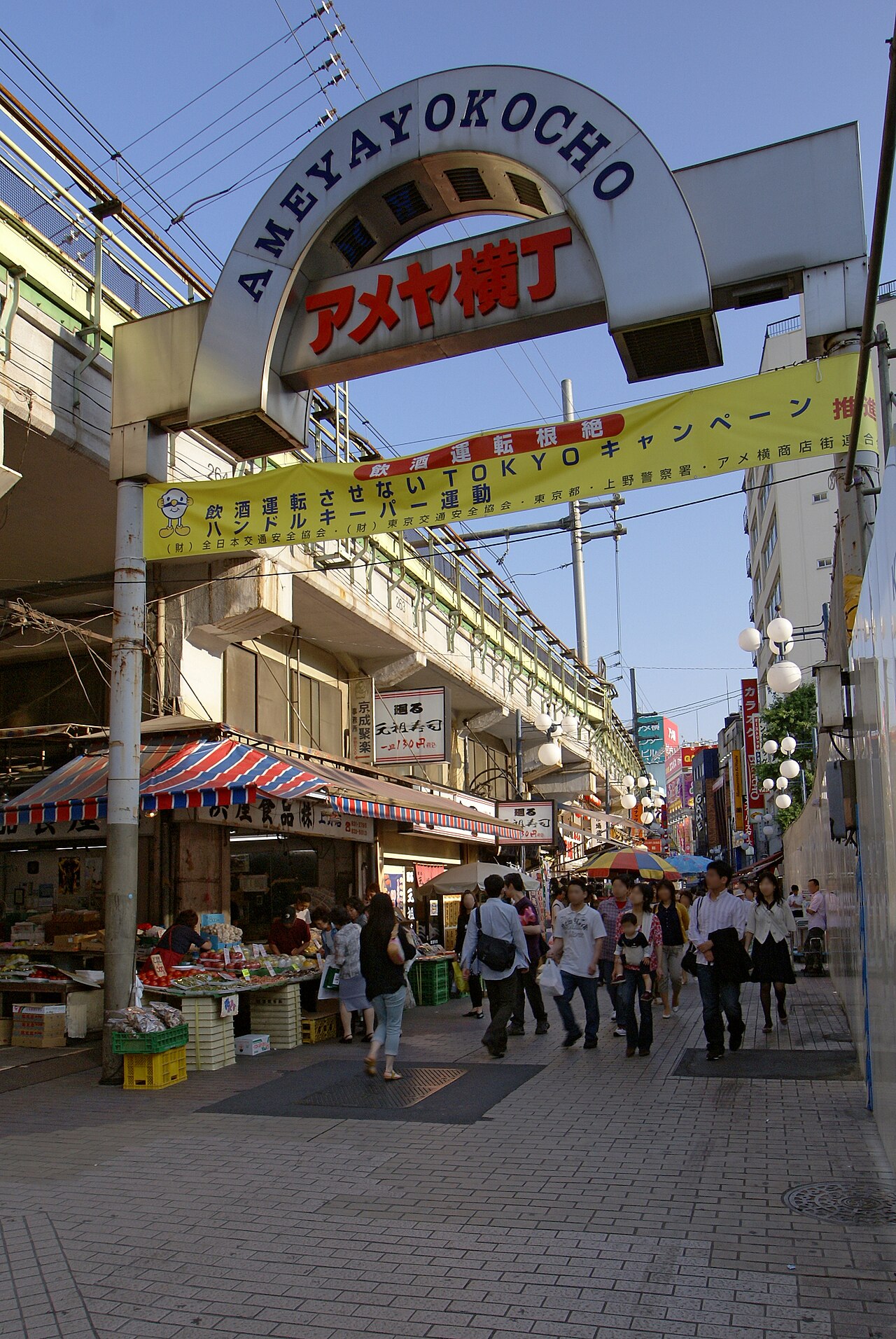
A market street under the rail arches — dried fish, sneakers, spices and open-air haggling.
Exit 5≈3 min walkAmeyoko Street, Ueno 6, Ueno, TaitoSee on map →
Shitamachi Museum下町ミュージアム

Walk-through recreations of old working-class Tokyo, alley and tenement included.
Exit 5≈6 min walkUeno Park, Taito, TokyoSee on map →
Ueno Zoo恩賜上野動物園

Japan’s oldest zoo, in the park since 1882 — pandas made it famous, the rest keeps it loved.
Exit 7≈17 min walkUeno Park, Taito, TokyoSee on map →
Tokyo National Museum東京国立博物館
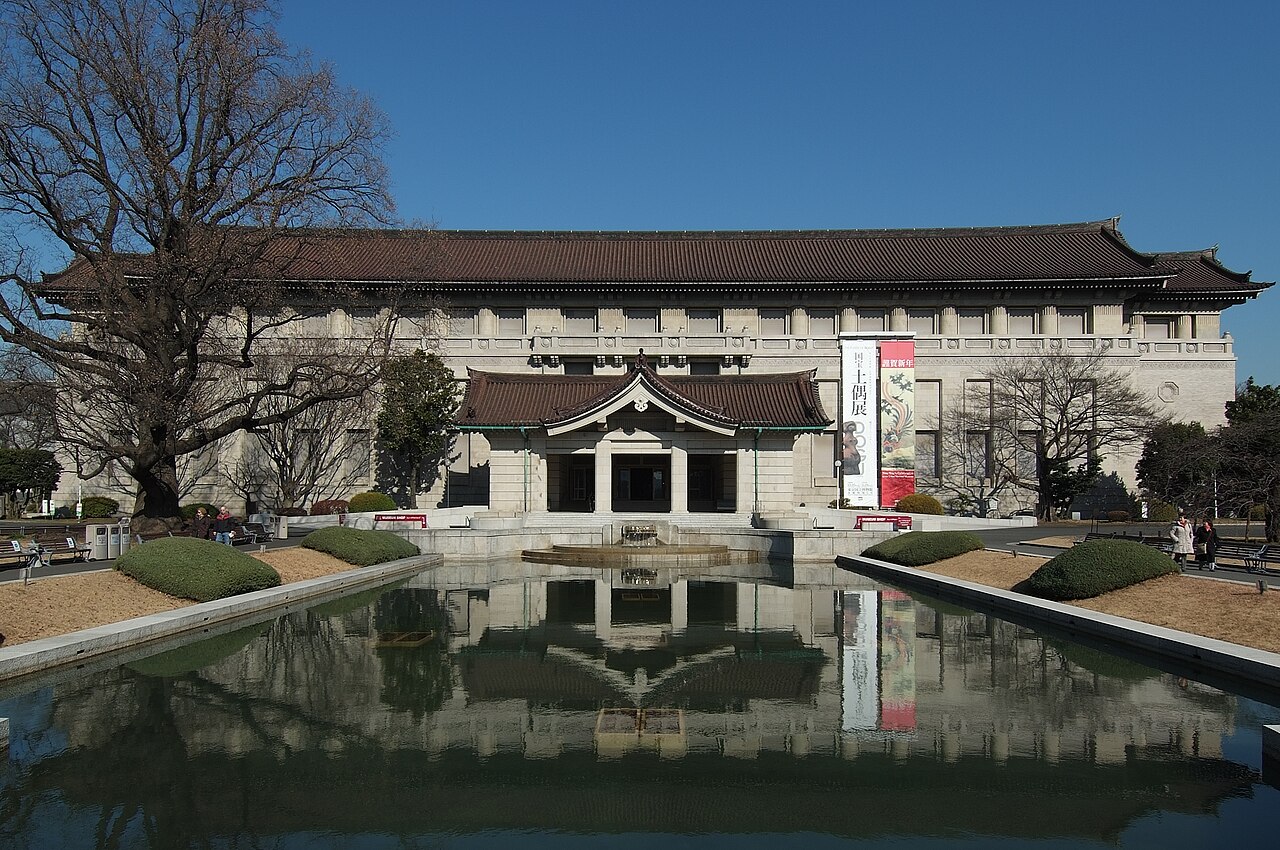
120,000 works of Japanese and Asian art — the country’s oldest and greatest museum.
Exit 7≈14 min walkUeno Park, Taito, TokyoSee on map →
National Museum of Nature and Science国立科学博物館
Dinosaurs to space under one roof — the blue whale outside marks the door.
Exit 7≈10 min walkUeno Park, Taito, TokyoSee on map →


Your lines here
This stop carries one number per line. The one on your sign depends on which platform you came up from.
- G16
- H18
- JY05
Not on the Tokyo Subway Ticket
JR East is a different railway from the subway. Tokyo Metro and Toei run the subway; JR runs its own lines across and around it, mostly above ground.
Your Suica or PASMO works on both. Tap in and out the same way and the right fare is taken, so an IC card is the simplest way to move between the two.
Paper subway tickets and subway day passes are not accepted, and a journey that uses both railways pays a subway fare and a JR fare rather than one combined fare.
- JK30
Not on the Tokyo Subway Ticket
JR East is a different railway from the subway. Tokyo Metro and Toei run the subway; JR runs its own lines across and around it, mostly above ground.
Your Suica or PASMO works on both. Tap in and out the same way and the right fare is taken, so an IC card is the simplest way to move between the two.
Paper subway tickets and subway day passes are not accepted, and a journey that uses both railways pays a subway fare and a JR fare rather than one combined fare.
All 47 stops
- Ofuna
- Hongodai
- Konandai
- Yokodai
- Shin-Sugita
- Isogo
- Negishi
- Yamate
- Ishikawacho
- Kannai
- Sakuragicho
- Yokohama
- Higashi-Kanagawa
- Shin-Koyasu
- Tsurumi
- Kawasaki
- Kamata
- Omori
- Oimachi
- Shinagawa
- Takanawa Gateway
- Tamachi
- Hamamatsucho
- Shimbashi
- Yurakucho
- Tokyo
- Kanda
- Akihabara
- Okachimachi
- Ueno
- Uguisudani
- Nippori
- Nishi-nippori
- Tabata
- Kami-Nakazato
- Oji
- Higashi-Jujo
- Akabane
- Kawaguchi
- Nishi-Kawaguchi
- Warabi
- Minami-Urawa
- Urawa
- Kita-Urawa
- Yono
- Saitama-Shintoshin
- Omiya
- JU02
Not on the Tokyo Subway Ticket
JR East is a different railway from the subway. Tokyo Metro and Toei run the subway; JR runs its own lines across and around it, mostly above ground.
Your Suica or PASMO works on both. Tap in and out the same way and the right fare is taken, so an IC card is the simplest way to move between the two.
Paper subway tickets and subway day passes are not accepted, and a journey that uses both railways pays a subway fare and a JR fare rather than one combined fare.
- JJ01
Not on the Tokyo Subway Ticket
JR East is a different railway from the subway. Tokyo Metro and Toei run the subway; JR runs its own lines across and around it, mostly above ground.
Your Suica or PASMO works on both. Tap in and out the same way and the right fare is taken, so an IC card is the simplest way to move between the two.
Paper subway tickets and subway day passes are not accepted, and a journey that uses both railways pays a subway fare and a JR fare rather than one combined fare.
City buses
Toei buses from stops a short walk away. The code on each chip is what the front of the bus shows.
Ueno Sta.上野駅前~70 m
- 上23→ Hirai Sta.
- 上23→ Ueno-Matsuzakaya (Ueno-Matsuzakaya Department Store)
- 上46→ Minami-Senju Sta. Higashiguchi (East Exit)
- 上46→ Ueno-Matsuzakaya (Ueno-Matsuzakaya Department Store)
- 草39→ Kanamachi Sta.
- 草39→ Ueno-Matsuzakaya (Ueno-Matsuzakaya Department Store)
Ueno-Kōen-Yamashita (Ueno Park)上野公園山下~170 m
- 上01→ Tōdai-Kōnai (the Univ. of Tokyo)
- 上23→ Hirai Sta.
- 上23→ Ueno-Matsuzakaya (Ueno-Matsuzakaya Department Store)
- 上46→ Minami-Senju Sta. Higashiguchi (East Exit)
- 上46→ Ueno-Matsuzakaya (Ueno-Matsuzakaya Department Store)
- 草39→ Kanamachi Sta.
- 草39→ Ueno-Matsuzakaya (Ueno-Matsuzakaya Department Store)
Flat ¥210 a ride in the 23 wards — board at the front, pay as you get on, IC card or cash.
Three or more rides in a day? The ¥500 one-day Toei bus pass pays for itself — sold on board.
Share bikes
Docked share-bike ports a short walk away. Register in the operator’s app first — the dock itself sells nothing.
HELLO CYCLINGJR上野駅~20 m
HELLO CYCLING上野マルイ~110 m
HELLO CYCLINGホテル丸谷~240 m
Port locations and live availability are the operators’ own GBFS data — docomo bike share and OpenStreet (HELLO CYCLING) via the Public Transportation Open Data Center, CC BY 4.0. Ports can be full or empty at any moment; the app is the authority.
Worth a stop nearby
Featured stops a few stations from here — same train, no change.
Ameyoko, in the government's words
Quoted verbatim from the Japan Tourism Agency's commentary database. None of it is ours, and none of it has been edited — the licence asks that it not be. Written in 2019.
The Ameyoko shopping street, which runs along and partially underneath the elevated railway tracks between Ueno and Okachimachi stations, comprises about 390 stores dealing in everything from seafood and fruit to cosmetics and chocolate. These shops line the 600-meter thoroughfare and the numerous alleys that branch out from the main street, and often display their products in eye-catching ways under awnings out front. While some of the shops are general stores, most of them focus on a specific product, such as sunglasses, jeans, belts, or even surplus military gear. This specialization has its roots in the early history of Ameyoko, when the street hosted many merchants dealing in merchandise procured from the U.S. military, which occupied Japan from 1945 until 1952.
Read the rest — 2 more paragraphs
Ameyoko is also distinguished by its old-school business practices. Most shops take only cash, allow price bargaining, and would much rather give customers an extra item or two than provide change. Just about every shop at Ameyoko depends on a core group of regular customers, carefully cultivated over many years, so shop staff rarely feel the need to attract everyone who passes by. When a first-time customer does show some interest, though, the merchants are usually eager to chat face to face and suggest deals on the spot. Shopping around is also recommended, as the competition among Ameyoko stores is fierce and merchants are constantly trying to undercut each other.
While far from the prettiest-looking shopping street in Tokyo, Ameyoko is a down-to-earth, welcoming spot brimming with energy that reverberates especially during the days just before New Year’s. At year-end, shoppers from all over Tokyo descend on Ameyoko to procure holiday delicacies and revel in the festive atmosphere, in a tradition that goes back to the mid-1970s.
This English-language text was created by the Japan Tourism Agency.
Not here yet
Which car to board still isn't here — it exists as posters on the platform and in no open dataset at all. Live service status covers the four Toei lines only, on their line pages: Tokyo Metro's feed is open data, but its terms don't allow passing it on the way this site delivers live information.